
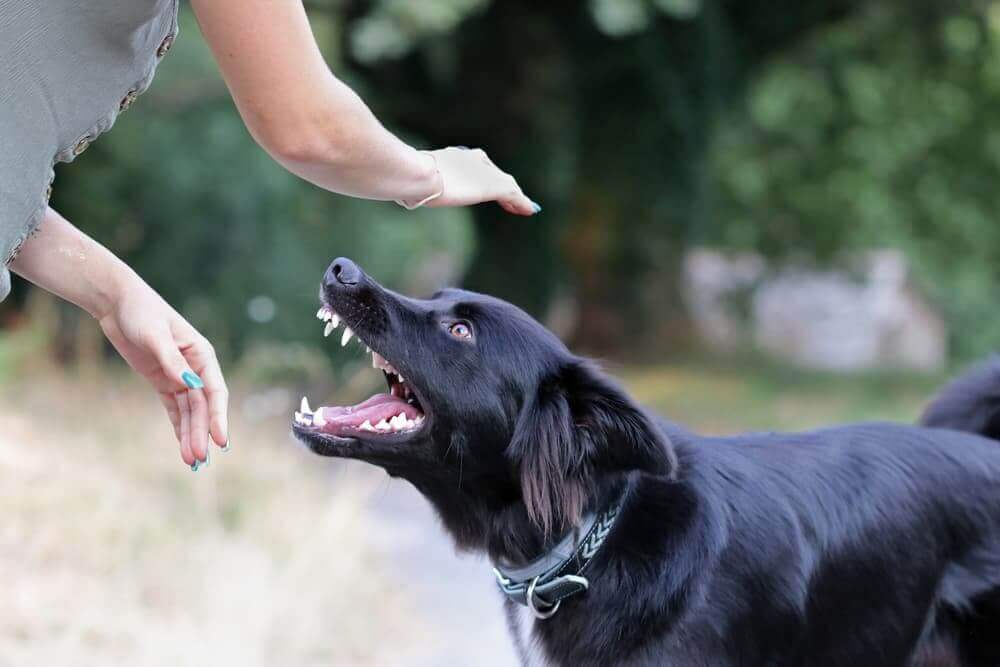
When a Dog Exhibits Aggression
The State of New Jersey does not identify any specific dog breeds as aggressive, which means dog owners do not face any specific rules or restrictions in relation to dog breeds. In other words, dog lovers can own any kind of dog they’d like in New Jersey, but every dog owner faces the same responsibility to protect others from their pets. The truth is that while some dogs prove themselves dangerously aggressive, any dog – even those who have never shown any sign of aggression in the past – can become aggressive at any moment, which makes dog ownership an immense responsibility. Once a dog has exhibited aggression – even when that means biting its owner or a family member – it puts the pet owner on legal alert. Any dog that attacks a person or another animal unprovoked can be labeled dangerous by the state, which can lead to impoundment by the officer responding to the incident. From here, the court will determine if it’s safe for the dog to return home, and it may impose contingencies that can include all the following:- Putting up special warning signs regarding the dog’s aggression around the property
- Obtaining a special license that allows the individual to continue owning the aggressive dog
- Requiring the owner to contain the dog in a locked enclosure
- Requiring the dog to always wear a muzzle and be on a short leash when not safely enclosed
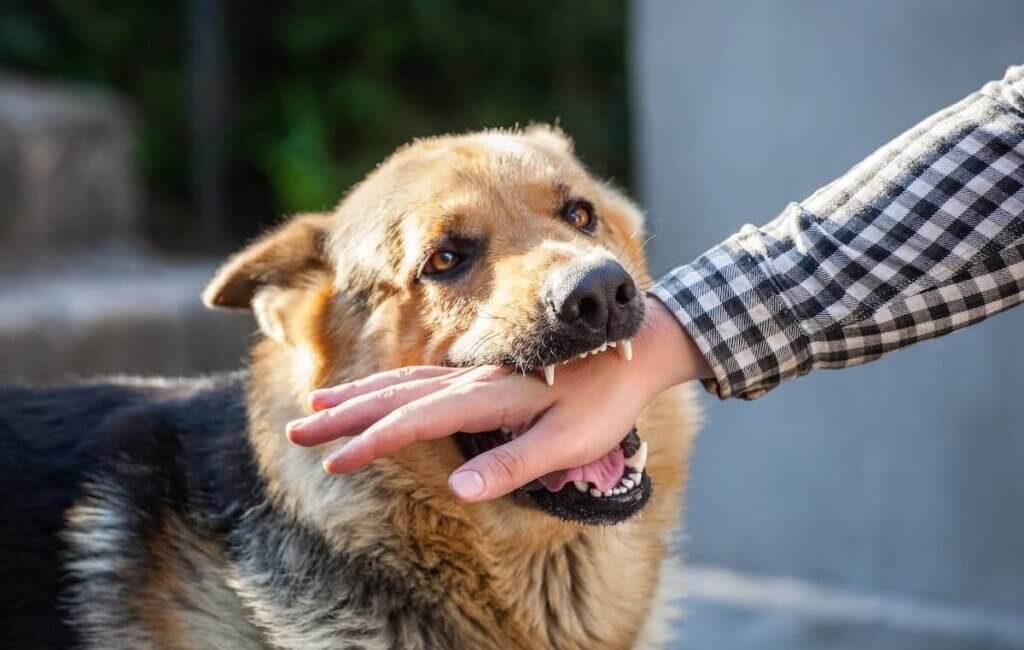
Dogs that Attack Their Owners
It’s considered rare for a dog to attack its owner, but it does happen. An owner who has raised a dog since it was a pup and who treats it well is unlikely to experience any aggression from the animal personally, but there are exceptions to this rule. Statistics regarding dogs attacking their owners are incredibly sparse because most owners are loath to report these incidents.Common Causes of Uncharacteristic Aggression
Dogs are most likely to become uncharacteristically aggressive when they are frightened, anxious, feel threatened, frustrated, or are protecting something they consider of value. For example, when a dog is excited by something that captures its interest, such as a rabbit streaking past, it may be torn between loyalty to its owner and aggression toward its owner when their attempt at giving chase is thwarted. A dog that is experiencing an illness or injury that leaves it in pain or in a state of anxiety can also exhibit aggression toward its owner that the owner may not see coming. More often than not, however, dogs turn on their owners because they fear or mistrust them in the first place, which is typically the result of cruel practices on the part of the pet owners.Common Signs of Aggression
It is important for dog owners to know the signs of aggression that their dogs exhibit and to be on the lookout for them. Dogs tend to first exhibit anxiety, which progresses to fear and then morphs into full-blown aggression.Anxiety
While anxiety can take different forms in different dogs, an anxious dog tends to exhibit signals like the following:- Lowering its head
- Keeping its ears partially back
- Stretching its neck forward
- Potentially exhibiting a furrowed brow
- Striking a tense posture
Fear
A fearful dog will amp up the signs of anxiety with more pronounced signals that can include whining, growling, or baring its teeth. At this point, failing to calmly intervene can lead to adverse consequences.Aggression
Once the dog passes through anxiety and fear, it can lead to full-on aggression, which can include narrowed, piercing eyes and ears that are pinned back to its head. The dog may also lunge forward and snap and growl or bark aggressively.De-escalating a Dog’s Aggression
When a dog is to the point of acting aggressively toward its owner, the matter is serious, and it’s time for the owner to de-escalate the situation. The matter of de-escalating aggression boils down to the following basic steps:- The most important first move is relaxing. Your dog senses your emotional state, and it affects its own. If you’re able to relax at this moment, your dog may follow suit.
- If your dog continues to escalate, take the steps you need to take in order to protect yourself and others – whatever they may be in your unique situation.
- The next step in the process is carefully assessing the situation and determining the best means of helping your dog to regain its composure.
- At this point, it’s time to learn from your mistakes and allow whatever it is that sets your dog off to become a teachable moment for you.
- Finally, you should redouble your efforts at training your dog to interact with people and other animals in a friendly rather than aggressive manner.
Some Dogs Are More Aggressive than Others – Statistically Speaking
It bears repeating that any dog can show aggression at virtually any time, which means that dog owners shouldn’t rely on a pet’s past behaviors to predict its future actions – unless it’s been aggressive in the past, which is highly indicative of future aggression. Every dog owner is responsible for protecting others from their pet’s aggression – whatever the breed. Some breeds, however, are statistically more inclined to engage in dangerously aggressive behavior. Consider the following telling statistics shared by DogsBite.org on the matter:- In the 20 years from 1979 to 1998, dogs killed 238 people, and pit bulls and rottweilers were responsible for about half of these deaths.
- In the 15 years from 2005 to 2019, 521 people lost their lives to dog attacks in the United States, and pit bulls and rottweilers accounted for more than 75 percent of these attacks.
- Not only is the number of dog bites in this country on the rise, but the percentage that pit bulls and rottweilers are responsible for is also increasing.
- Pit bulls and mixed breeds that include pit bulls are seven times more likely to fatally attack people than rottweilers are.
- Pit bulls are unique in the fact that they can go directly to aggressive behaviors without demonstrating any of the early warning signs that most breeds tend to exhibit – making them more dangerous to owners and others alike.