Do you know what to do if a dog bites you? Dog bites are fairly common in the U.S., so you should know how to take care of a bite if you’re unexpectedly attacked. So, why are dog bites a common occurrence? Part of the reason stems from the dog’s role as a pet and protector. Plus, some of the dogs that are considered dangerous are also popular. These dogs include Pit Bulls, German Shepherds, Boxers, and Labrador Retrievers. In fact, some of the statistics concerning dog bites are no less than astounding. Although dogs are well-beloved animals, they can inflict some serious harm. This harm takes the form of injuries that can’t be overlooked. Prompt medical care is crucial due to the potential for dangerous infections and complications associated with dog bites. It is essential legal guidance of an experienced
New Jersey dog bite lawyer if you are bitten by someone else’s dog. This step is crucial to protect your rights and navigate the legal complexities effectively.
Some Dog Bite Statistics
Moreover, Pitbulls and Pitbull mixes are responsible for most dog bite fatalities. However, according to training professionals, Pittys pass temperament rating systems, on average, at 86.7%. This makes them more likable than breeds such as Beagles, Border Collies, and Chihuahuas. Besides Pit Bulls and Pit Bull mixes, Rottweilers are also commonly responsible for dog bite injuries and deaths. According to the Canine Journal and the American Veterinary Medical Association (
AVMA), about 4.5 million people in the U.S. get bit by a dog annually. Plus, many of the bites are underreported. Statista also points out that the fourth deadliest creature on the planet is the dog. Half of the 4.5 million reported bite victims in the U.S. are children. Also, of the approximately 885,000 bite patients treated for dog bites, around 370,000 seek emergency care. Of this number, around 16 are fatalities. Children get bit the most often and makeup 70% of bite-related deaths. About 80% of the dog bites that children suffer are directed to the head or neck. Your probability of dying from a dog bite is about 1 in 112,400. In addition, claims paid for dog bites range in the millions of dollars annually. So, it pays -literally- to know how to clean a dog bite and how to respond properly if a dog attacks you. Getting medical treatment immediately is important, as is contacting a dog bite lawyer about your rights in filing a claim. Make sure they have an
outstanding record in receiving and winning settlements.
The Strict Liability Rule in New Jersey
In New Jersey, the state follows a strict liability statute for dog bites. This means that an owner of a dog is responsible for the injuries sustained by another party if their dog bit them. Even if they tried to restrain the dog or warned the victim about the dog’s aggression, they are held liable. Unless the victim provoked the dog, this legislation is used to compensate dog bite victims in personal injury lawsuits. You have two years to file a dog bite claim if a dog bites or attacks you unexpectedly.
Cleaning and Treating a Dog Bite
The sun is brightly shining. Everything seems right with the world. You may have been enjoying a delightful day in the park. Therefore, it can catch you quite off-guard if a dog barks at you and charges at you unexpectedly. Dog bites are a very real part of life, so you need to take care of yourself physically and mentally.
Stop the Bleeding and Clean the Wound
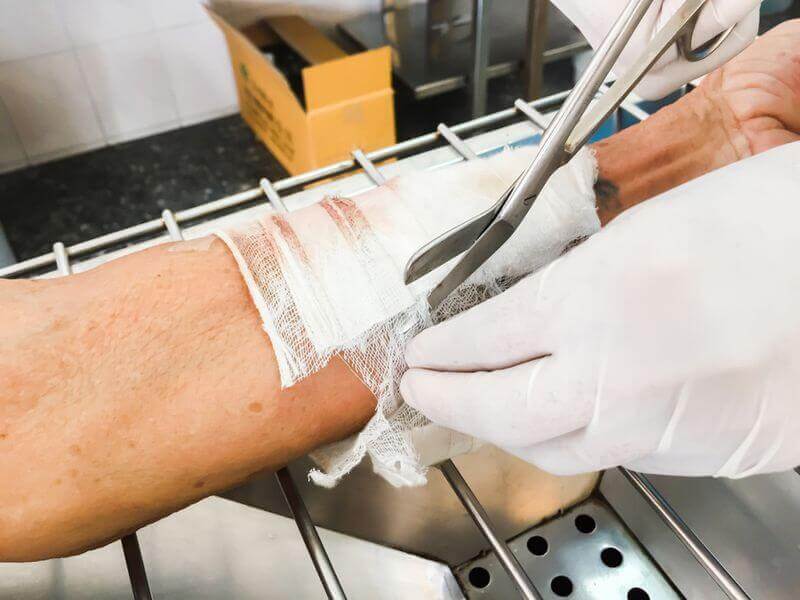
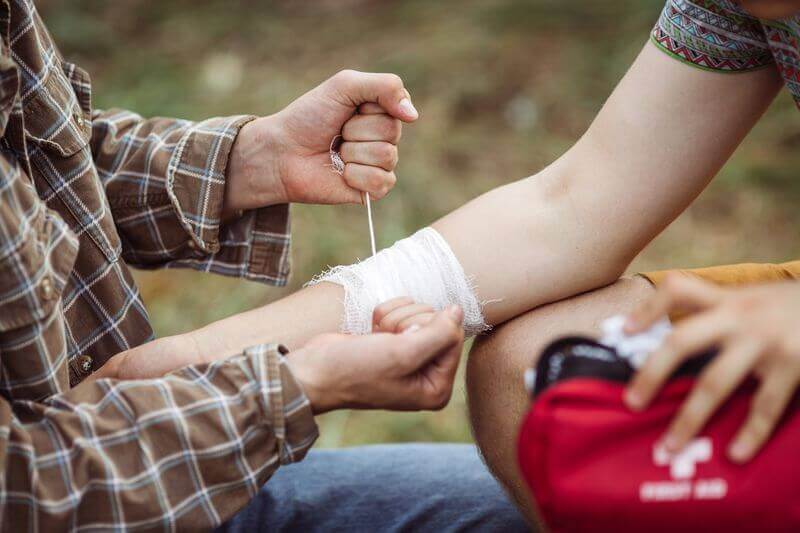
- When you get bit, you must first focus on stopping the bleeding. Apply firm and direct pressure to the bite with a clean cloth for ten minutes. Keep applying pressure and add another cloth, if necessary.
- Once you slow the blood flow, gently wash the wound with mild soap and water. Use an antiseptic like hydrogen peroxide. Or, flush the wound with a sterile saline solution, if possible.
- You’ll need to gauze and bandage the wound to protect it further from infection. Apply an antibiotic ointment or a sterile bandage that opens up the airflow. Change your dressing at least daily to keep the wound clean and to prevent infection.
- Once you clean and apply a dressing, see a doctor the same day. You may need to see a doctor first if the wound is too severe to clean and treat yourself. If that is the case, use a clean cloth to pressure the wound and reduce the blood flow.
- You should monitor the wound and seek medical help and intervention, regardless of the severity. Doing so will give you the necessary supporting evidence if you decide to speak to a personal injury attorney about filing a claim.
- By seeking a doctor’s help, the follow-up care will also be easier. This is especially true if you notice increased pain, swelling, redness, or other indicators of an infection. Flu-like symptoms may also be a warning that your wound has become infected.
Report the Dog Bite Injury to Animal Control
You should also become proactive at the scene of the dog bite site. You may be entitled to compensation. Report the incident to animal control and obtain contact details from the dog’s owner. The animal control officer may have to remove the dog if it is rabid or a
threat to public health. This may be necessary if the dog is off the owner’s property, is a stray, or does not have a current registration tag. Take photos of your injuries and keep copies of your medical bills. Seek an attorney’s help to check your rights for filing a personal injury claim. It’s always better to be safe rather than sorry.
After You Treat the Wound
Once you protect the wound with a sterile gauze, you’ll want to keep the bite elevated, if helpful. A doctor might recommend that you apply ice for 15 minutes at a time, several times a day. Doing so reduces the swelling and pain. Also, taking a pain reliever, like Ibuprofen, will help ease any discomfort you may experience during the healing process.
Why It’s Important to Seek Immediate Medical Care
Whether your dog bite is a surface wound or a puncture, again – you should receive medical attention the same day. Some patients require medical care in the form of stitches, IV antibiotics, or, in some cases, hospitalization. Your health and well-being is a top priority. If not medically monitored, a dog bite can become a serious wound or infection. Therefore, you need to do all you can to prevent complications.
Watching for Signs of Infection
Watching for signs of infection is always part of treating a dog bite injury. Below are warning signs that your wound may be infected.
Swelling or redness
You may experience swelling, warmth, or pain around the bite. If the redness spreads or is accompanied by a foul odor, your wound may require antibiotics.
Pus or discharge
A green or yellow discharge from a wound may signal that you have an infection. Usually, a clear fluid is a sign that plasma is draining from the bite. This typically decreases over 48 hours. Always contact your doctor if the leakage increases, looks cloudy, or smells unpleasant.
Increasing pain
While a dog bite is painful initially, the pain should not worsen over time. A severe or throbbing pain is a warning that you require medical attention.
Fever
Take note if your temperature climbs to 101 degrees Fahrenheit. The body’s immune response to an infection often develops into a fever if the wound is not healing properly.
Swelling of the Lymph Nodes
Swollen lymph nodes indicate that the body is fighting an infection. Common sites for lymph nodes include the armpit, the back of the head, under the chin and jaw, and on the sides of the neck. Lymph nodes play an important role in defending the body against infection. If they swell, you may need antibiotics.
Fatigue
A feeling of malaise may signal an infection that requires immediate treatment. An infection must be treated promptly, as the condition can become life-threatening if some related complications aren’t addressed immediately.
Managing a Dog Bite Medically
You may need to receive a tetanus shot, get a rabies immunization, or start on a course of antibiotics. It depends on how the dog bit you and where you were bit.
Get a Tetanus Shot if Needed
Seeking a doctor’s help is imperative, as you might need to receive a tetanus shot. This is especially true if the dog breaks the skin. Emergency care is often indicated for bites to the hands, face, or lower extremities or if there is excess bleeding. So, if a dog bite breaks the skin, it’s critical to get medical attention immediately. Dog bites can become infected if left untreated and, in some cases, may require rabies treatment as well. Tetanus, also known as lockjaw, is a serious bacterial infection that can enter the body through open wounds like dog bites. See your doctor for a tetanus booster shot if:
- You haven’t had a tetanus shot in the past five years
- You’re not sure of your tetanus immunization status
- The bite is deep or severe
Antibiotic Therapy
Your doctor may also prescribe a course of antibiotics to prevent infection. It’s best to get medical advice within 6-8 hours of the bite, even for minor wounds.
Receiving a Rabies Immunization
Rabies is transmitted through infected saliva entering an open wound or mucous membrane. Depending on the situation, the doctor may start you on rabies prevention shots or medication. Patients who get bitten by a non-provoked dog are usually at a higher risk for rabies than those who are bitten by a dog that was provoked. If the dog owner is reliable, they can confirm if an animal’s rabies vaccination is current. Observation by a veterinarian is necessary when a dog’s vaccination status is unknown. If the dog cannot be quarantined for ten days, the dog bite victim should receive a rabies immunization. The treatment should start within 48 hours after the bite and subsequently can be discontinued if the dog is found to be free of the rabies virus. When it comes to dog bites, crush injuries, hand wounds, and puncture wounds are more likely to get infected than if the skin is torn or scratched.
Preventing a Bite From Happening
Children often get bit by a dog because they like to run and play. If they do this in a dog’s presence, the dog may attack, as dogs often chase moving objects. Therefore, teaching children not to scream or play actively around an unknown dog is important. Also, it’s important not to greet a dog with an outstretched hand. Let the dog sniff you first. Also, kissing or hugging a dog may confuse a dog, as it indicates submissiveness. This type of submissiveness may lead to increased aggression in the animal.
Dos and Don’ts For Preventing a Dog Bite Attack
Below are some Do’s and Don’ts for avoiding a dog bite or attack.
- Don’t approach a dog that is unfamiliar to you.
- Don’t run from a dog or scream or yell in its presence.
- Do stay still if a dog approaches you.
- If a dog knocks you down – don’t move – stay still like a log.
- Don’t allow your young kids to play with a dog without being present.
- Do report stray dogs or a dog that is behaving strangely.
- Do avoid direct eye contact with a dog, as it perceives it as confrontational.
- Do not disturb a dog sleeping, eating, or caring for its puppies.
- Do tell your children to inform you immediately if a dog scratches or bites them.
- Do have a dog sniff you first before you pet it.
If you get bit and did nothing to provoke the attack, you must speak to an attorney immediately. A personal injury claim for a dog bite can cover the costs of your treatments and care and compensate you for damages such as lost wages or pain and suffering.
Call a Dog Bite Attorney in New Jersey
If you live in the Garden State and you or a loved one was bitten or attacked by a dog, you need to learn more about your rights for filing a personal injury claim.
Contact The New Jersey Dog Bite Lawyer about your rights in filing a dog bite case. Contact a lawyer now – while the details are still fresh in your mind.