
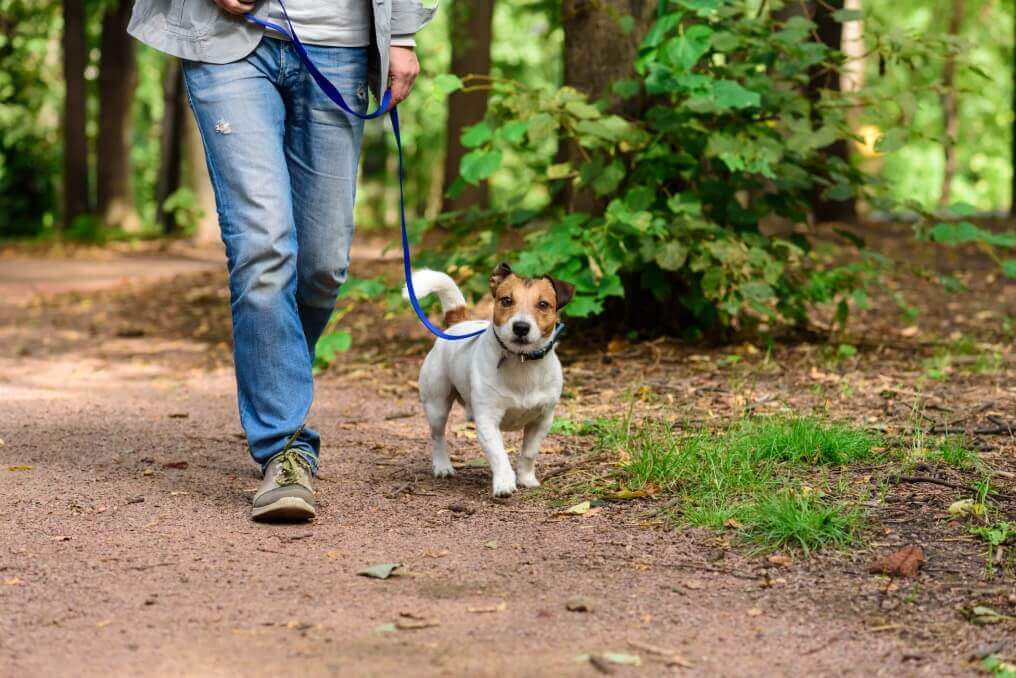
Understanding Why Dogs Bite: Identifying Triggers and Warning Signs
The American Kennel Club (AKC) shares that, under the right circumstances, any dog can bite – even one that’s never displayed aggression in the past. There are several reasons that dogs tend to bite.When in Fear
Most of the aggression displayed by dogs is rooted in fear. Your dog may become fearful when they feel cornered, when someone comes too close, when their space is invaded, or for any number of other reasons. A dog that is overcome by fear can react aggressively in an attempt to create distance.When Startled
Dogs that are started awake or otherwise startled to attention can bite out of confusion and disorientation. Such attacks can take everyone by surprise, including your pet. The older the animal, the more likely it is that it’ll exhibit dangerous startle responses due to losses in terms of both vision and hearing. The old adage of letting a sleeping dog lie stems from this startle response, and teaching your children to respect your family pet’s sleep is well worth the effort.When in Protection Mode
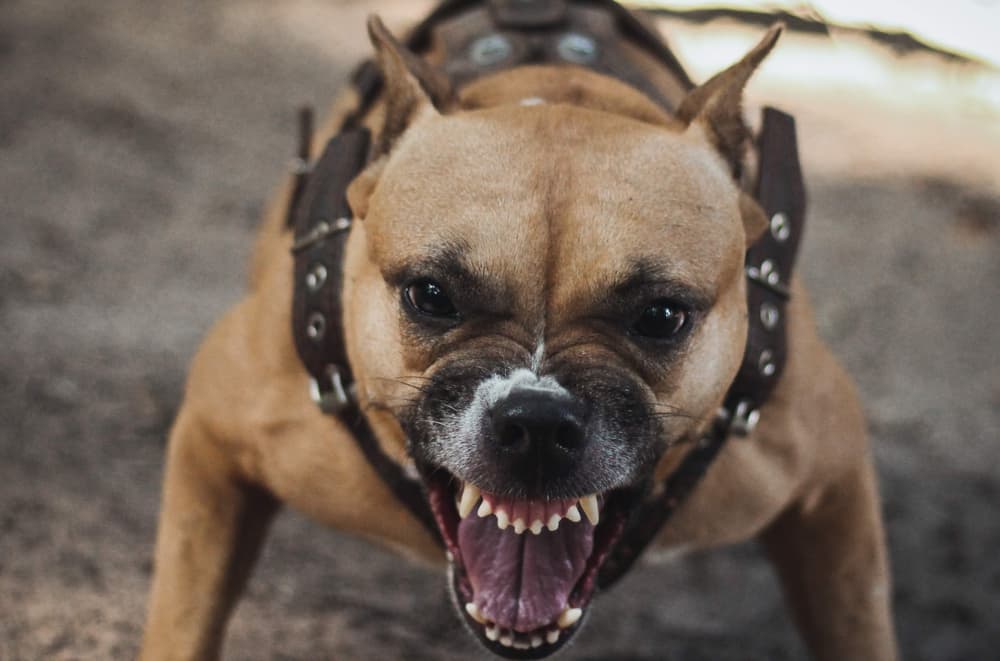 Many dogs – across breeds – have strong resource-guarding instincts. Your pet can place considerable value on all the following, and any indication that the item may be taken away can incite aggression in the form of biting:
- Toys
- Bones
- Things they chew on
- Food
- Treats
When in Pain
A dog that is sick, injured, or is otherwise experiencing pain will instinctively protect itself, and any interference – even interference that’s designed to help – can lead to biting and other forms of aggression. If your pet’s been injured, always exercise caution when it comes to handling, lifting, or moving them. If your dog’s behavior changes for no discernable reason, getting them to the vet as soon as possible is advised.Warning Signs
It’s important to know that it can be very difficult to predict when a dog will show aggression, and even animals that have clear warning signs in one situation may not show warnings in another. Nevertheless, there are signs of escalating aggression – shared by the ASPCA – that every dog owner should know and be on the lookout for, including:- If your dog adopts a rigid stance that mimics a statue
- If your dog uses a threatening, guttural bark
- If your dog charges a member of your family or lunges at them
- If your dog uses their mouth to help it control a member of your family – rather than to attack them
- If your dog uses their muzzle to punch a member of your family
- If your dog growls openly at a member of your family
- If your dog bares its teeth at a member of your family
- If your dog bares its teeth while growling – or snarls – at a member of your family
- If your dog nips, snaps, or bites a member of your family
- If your dog bites a member of your family repeatedly or all-out attacks them by biting and shaking them
Protecting Yourselves
If your family pet shows sudden signs of aggression, there are steps you can all take to protect yourselves, including:- Back away from your dog slowly
- Do not turn your back on your pet
- Do not run away from the animal
- Create a barrier between yourself and the dog – using whatever’s available to you in the process
- Use a strong, commanding tone to instruct your pet
- If attacked and pushed to the floor, curl up and protect your head and neck
Seeking Medical Attention: When to Visit the Doctor after a Dog Bite

Preventing Future Incidents: Training and Socializing Your Dog
The best time to socialize a dog is when they’re still a puppy, but if your pet comes to you older or is exhibiting new signs of aggression, it’s important to know that there are things you can do to help train and socialize the dog. Some dogs are fearful of specific things, such as men in overcoats, and others are seemingly fearful of nearly everything – from the sound of the wind to rustling paper and beyond – and these animals are better defined as anxious rather than fearful.The Prime Socialization Period
Pups are generally considered to be in prime socialization mode when they are from about 3 weeks to 16 weeks old. Using proper socialization techniques during this period helps to diminish fear, anxiety, and aggression in response to situations, sounds, sights, people, and beyond. At this age, puppies learn about staying safe in the world from their mothers, and they are programmed to explore the world around them bravely. As dogs age, however, they become more and more skeptical of new sounds, sights, and experiences. Puppies are hardwired for effective socialization, but as they grow older, successful socialization requires considerably more effort.The Socialization Process in Older Dogs
While you’ve no doubt heard that you can’t teach an old dog new tricks, the fact is that most dogs – regardless of age – can benefit from socialization techniques. When it comes to dogs that are no longer puppies, there is a clear path forward.Identify Your Pet’s Triggers
The first step in the process is identifying your pet’s triggers – or the things that incite stress or outright aggression in them. Take the time to carefully consider when your pet’s demeanor changes or when they exhibit signs of aggression. Common examples include:- Being around another dog they don’t know
- Being around a person they don’t know
- Being around a person that pushes triggers, such as someone carrying a backpack, someone wearing a hat, a man with a beard, someone in a wheelchair, and beyond
- Being in a situation that is stressful for them
- Being in a new situation
- Being awakened suddenly or otherwise being startled
- Needing to protect something that belongs to them
Identify Your Dog’s Aggression Threshold
It’s important to also identify your pet’s threshold when it comes to their triggers. This means that point at which they demonstrate signs of aggression in response. For example, if your dog’s trigger is strangers at the door, think about when they begin to exhibit aggression. Is it when the car pulls into the driveway, when the stranger stops their car, when the stranger gets out of the vehicle, when the stranger begins to approach, or when the stranger arrives at the front door? Your answer to this question is their threshold. If your dog’s trigger is a family member or certain situations within your family home, the matter becomes that much more dangerous. If this is the situation, you’ll need to focus your efforts and remain in caution mode.Put Safety Measures in Place
Whatever your pet’s triggers are and their thresholds for those triggers, it’s important to put safety measures in place before you begin the socialization process. This generally involves erecting a physical barrier that separates the dog from its trigger. Additional safety measures you can take include:- Put up heavy-duty blinds that help block outside stimuli – which are often the culprit – to help your dog decompress indoors.
- Train your dog with a muzzle that is comfortable enough for them to eat, drink, and pant in for any instances when a muzzle might be needed.
- Take SprayShield or another pet-safe deterrent on walks with you to help calm your dog down in the presence of other dogs or to stop another pet from coming at you.
- Crate train your pup to help ensure you can safely contain the dog in the event you need to protect a person or another animal in your home.
- Use a harness when you walk your dog to help ensure they’re not able to escape.
Take Care of Your Pet’s Basic Needs
A healthy dog that is well-cared for is less likely to lose control of itself. Your pet’s four basic needs include:- Regular exercise
- Activities that keep their brain activated, which are referred to as enrichment
- Proper nutrition
- Clear communication that helps your dog recognize that they can count on you
Focus on Training Basics
If your dog hasn’t mastered basic commands, it’s time to focus your attention on training cues like the following:- Sit or down commands, which can help you get your pet in a safe position in relation to the trigger
- Touch commands, which instruct your dog to touch their nose to your hand and help redirect their focus away from the trigger
- Watch Me commands which are another way of redirecting your pet’s attention
- Leave it commands, which can help a dog that has become aggressive in relation to food, treats, toys, or other possessions
Legal Liability: Who is Responsible for a Family Dog Bite
 In New Jersey, the dog’s owner is responsible for any damage the pet causes, and the state does not employ a so-called one-bite law that shields the owner from liability if the bite is the animal’s first sign of aggression. In other words, you are responsible for your dog’s aggression – even when it’s directed at a family member.
If someone in your family has been attacked by your family dog, it’s time to take action, which generally means getting the professional training your pet needs. Because dogs are such a threat to small children, it’s important to never leave them alone with a family dog – even one you trust.
If you – or someone you love – however, is harmed by someone else’s aggressive dog, you can seek compensation for the physical, financial, and emotional losses experienced.
In New Jersey, the dog’s owner is responsible for any damage the pet causes, and the state does not employ a so-called one-bite law that shields the owner from liability if the bite is the animal’s first sign of aggression. In other words, you are responsible for your dog’s aggression – even when it’s directed at a family member.
If someone in your family has been attacked by your family dog, it’s time to take action, which generally means getting the professional training your pet needs. Because dogs are such a threat to small children, it’s important to never leave them alone with a family dog – even one you trust.
If you – or someone you love – however, is harmed by someone else’s aggressive dog, you can seek compensation for the physical, financial, and emotional losses experienced.