
Dog bites are common, with more than 4.5 million occurring in the United States each year. Children are commonly the victims of dog bites and their injuries are typically more severe than adults. Usually wounding the neck and head area of young children and the arms and legs in children over 10 and adults, dog bite wounds can take the form of scratches, open cuts, punctures, crushing of bones and tissue, and even tearing away of body parts.
What is Tetanus?
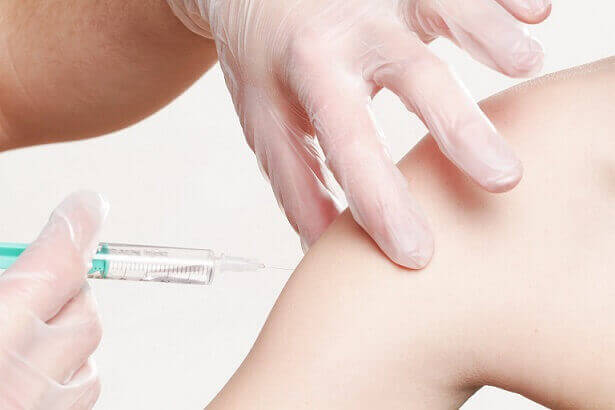
Tetanus is an infection of a wound brought on by a bacterial toxin. Since this bacterium lives in the soil and in the intestines of some mammals, it is possible for a dog bite to cause tetanus. The bacterium can enter your body through the wound and then multiply to produce toxins that affect muscle-controlling nerves. If you’re not sure when your last tetanus vaccine shot was (or if it’s been over five years), you should make plans to get one.
Signs of Tetanus
If you’ve been bitten by a dog, there are signs of tetanus to watch out for. These include:
- Cramping or locking of the jaw
- Difficulty swallowing
- Muscle spasming or tightening, often in the stomach
- Painful muscle stiffness all over the body
- Headache
- Fever or sweating
- Jerking or staring
Seek medical assistance immediately if you’ve been in a dog attack and notice any of these symptoms.
The Risk of Infection From a Dog Wound
If you’ve been bitten by a dog, you should seek medical help if:
- Your skin has broken and bleeding does not stop after applying pressure for fifteen minutes.
- A bone may be broken.
- You have diabetes, cancer, HIV-infection, liver disease, or if you are on a medication that could weaken your immune system.
If you don’t have these symptoms, monitor your wound carefully for signs of infection.
Signs of infection might include:
- Redness or swelling around the wound
- Pus seeping from the wound
- Increasing pain or pain that lasts more than 24 hours
- A warm feeling around the wound
- Unusual odor
- Loss of function or movement
- Fever
- Shaking
- Night sweats
If your wound does not improve, you should seek care.
A Dog Bite Lawyer Can Help You Get Compensation
Mr. David Cowhey has seen all sorts of dog bites over his 30+ years of experience with personal injury law. He understands the medicine and the law; he knows how to pursue compensation so you can recover from your injuries and illnesses. If you’re a New Jersey resident and you want to speak to our dog attack attorney about your case, please call David Cowhey, the New Jersey Dog Bite Lawyer, at 609-513-0627 or contact us online for a free consultation.
Image by Angelo Esslinger from Pixabay
Originally posted March 17, 2016