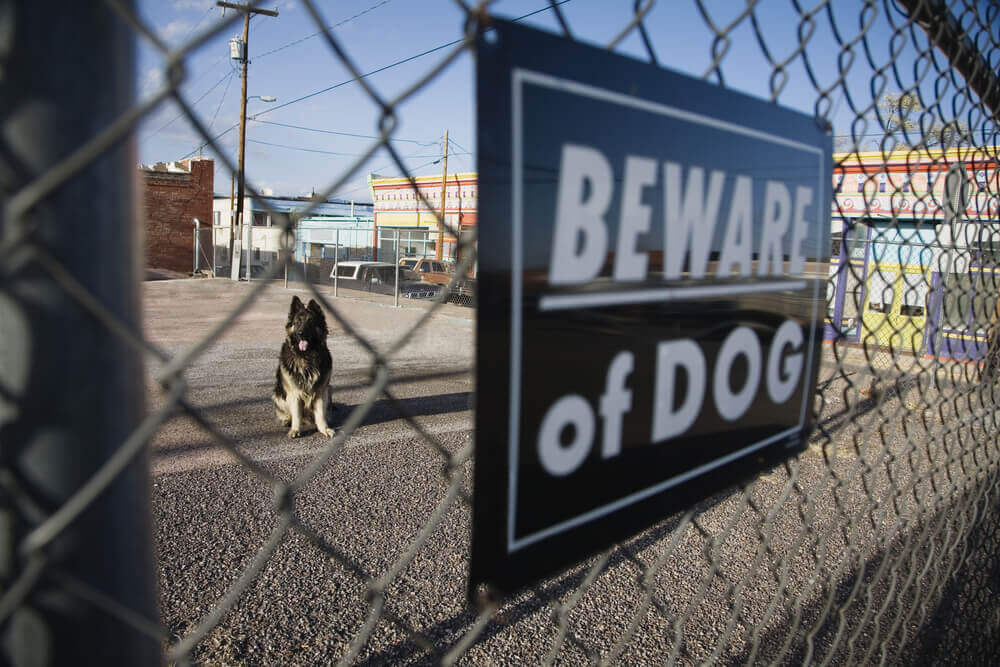
Although people love dogs, these animals can hurt people. Dog bite statistics confirm the risks of dog bites in the United States. Each day, nearly 1,000 Americans require emergency treatment for severe dog bite injuries. In addition, approximately
12,480 citizens require hospitalization due to dog bite injuries.
When a dog attack occurs, victims are not shy of seeking compensation for their injuries. In most cases, victims argue that the dog owner was negligent in handling the dog, which contributed to the attack.
As a result, some dog owners consider having dog liability insurance to protect themselves in case of a dog bite lawsuit. If your dog has attacked and injured someone, consider speaking to a
trusted dog bite attorney in New Jersey.
Dog Owner Liability

A dog owner is liable for any injuries their dogs cause in any of the following instances:
- If the dog owner knew the dog had a behavior likely to cause that kind of injury
- If the dog bite statutes make them liable, whether the dog owner knew about the tendency to cause the harm or not
- If the injury occurred due to unreasonable carelessness caused by the dog owner
Three types of dog-bite laws exist that impose liability on the dog owner:
Dog Bite Statutes
Dog bite statutes are state laws that impose strict liability on a dog owner whose canine injures another individual. In other states, the dog owner may be liable for a dog that causes property damage.
Strict liability means the dog owner automatically becomes liable for an injury or property damage the dog causes, even without provocation.
‘’One Bite’’ Rule
The ‘’one bite’’ rule might apply in lawsuits in certain states involving domesticated animals, including dogs. The law occurs under common law, which requires the injured party to bear the burden of pleading or proving that the dog owner knew or was negligent for not knowing that the dog was likely to injure people.
If the dog never showed signs of being vicious and then attacked someone, the dog owner will not be held liable because of the lack of knowledge that the dog could cause harm. However, if the dog regularly acted aggressively towards people but never issued a dog bite, the dog owner could be held liable.
Although the ‘’one bite’’ rule used to be the primary ground for legal liability in dogs, many states have replaced this rule with strict liability statutes. Consequently, some states including New Jersey hold owners accountable for any injury regardless of whether the animal had bitten someone else.
Negligence Laws
The
dog owner may be liable if the injury occurred because they acted unreasonably careless(negligent) in controlling the dog. A dog bite victim in any state can claim negligence or animal control violation which triggered the bite.
What Does Liability Insurance for Dogs Cover?
The dog liability insurance protects you in case of damages or injuries caused by your dog. Liability insurance for dogs is a form of third-party coverage, which means it compensates others and not you or members of your household.
Liability insurance for dogs offers the following coverage to third parties:
- Medical Coverage: Liability insurance for dogs can cover medical-related costs like medication, surgical fees, physical therapy, assistive devices, long-term care, and hospitalization charges.
- Property Damage: The liability coverage caters to the cost of repairing or replacing the damaged property caused by a vicious dog.
- Legal Fees: If the injured victims decide to sue you, the insurance can cater to the attorney fees, court charges, and settlement amount related to the lawsuit.
- Lost Income: If the victims cannot go to work because of the injury, liability insurance for dogs can compensate them for lost wages.
Why Do You Need Dog Liability Insurance?
According to the Insurance Institute, there are approximately
18,000 dog bite claims each filed in the United States. In addition, the average cost of a dog bite claim is $65,000. Typically, renters or homeowners insurance is the first line of defense in a dog bite claim.
Homeowners or renter insurance has a liability limit of $100,000 to 300,000. Although the limit is enough to cover a $65,000 claim, dog bite lawsuits could cost you more. Unfortunately, the dog owner is responsible for the amount above that.
Suppose your pitbull jumps to greet an older woman who falls and breaks her hips. If she requires surgery and long-term care, her medication cost and damages could go beyond $300,000, and she could sue you for compensation.
What Does It Take to Prove Negligence?
For an injured person to win a dog-bite lawsuit based on negligence, they must prove that:
- The dog owner had a reasonable duty of care to control the dog’s behavior
- The owner was unreasonably careless by failing to honor that duty
- The negligence was the cause of the dog bite injury
Besides the above factors, courts may consider whether the injury was ‘’reasonably foreseeable,’’ which means the dog owner should have expected the bite to occur under the circumstances.
While not all dog bites occur are related to negligence, some are based on strict liability, making dog owners automatically liable for most dog bite injuries. As such, the victim doesn’t need to prove that the dog owner was negligent or knew the dog was dangerous.
Duty of Care to Trespassers
The first thing to determine is whether the injured person was a true trespasser on the dog owner’s property. The understanding helps establish the duty of care from the dog owner to the claimant.
First, a trespasser is someone who enters the property or land of another person. Even so, simply entering the land of another person doesn’t make someone a trespasser. Sometimes, a salesperson has implied permission to enter your gate mostly when you haven’t erected a ‘no soliciting’ sign.
Equal duty of care sometimes applies to guests and trespassers. The homeowner or dog owner may be deemed liable for any damages suffered by an injured person if they fail to demonstrate appropriate duty of care to the situation.
Standard of Care to a Trespasser
A homeowner has a limited duty of care to a trespasser compared to guests and other visitors. Even so, there are situations where a trespasser will enjoy a certain level of legal protection.
Consider the following scenarios:
Willful Conduct
Most states refrain property owners from engaging in willful conduct that causes injury to trespassers. It means a dog owner can’t go out of their way to intentionally cause harm to a trespasser or create conditions that can lead to an injury.
For instance, a dog owner would be deemed liable for damage suffered by an injured victim if they let the dog loose after noticing that someone has entered their property.
Discovered Trespassers
Sometimes, people trespass on your property with a certain degree of legality. Suppose someone enters your land as a shortcut to the nearby ocean. In such a situation,
the responsibility of the land owner to the trespasser becomes elevated.
The property owner should put a warning sign alerting potential trespassers of a dangerous dog. Alternatively, the animal may need to be put in an enclosure or adequate restraint to avoid running free.
In other instances, the dog owner may not be held liable after taking enough measures to restrain the dog particularly when the trespasser puts themselves in harm’s way.
How to Minimize Liability Related to Dogs
The responsibility of controlling the dog and its behavior lies with the owner. The most vicious dog has a direct link to human shortcomings such as poor training, irresponsible supervision, neglect, abuse, and breeding practices that nurture viciousness.
You can follow the following practices as recommended by CDC to reduce dog bite attacks and related liability:
- Avoid exposing your dog to new situations particularly when unaware of its response
- Spend time with a dog before adopting or buying it. Be cautious of bringing a dog to a home with toddlers or infants because dogs with a history of aggression are inappropriate in households with children
- Consult a professional e,g a veterinarian or a responsible breeder about suitable dogs for your household or neighborhood
- Avoid playing aggressive games with your dog like ‘’tug-of-war’’ which can encourage inappropriate behavior
- Teach your dog social skills so that it knows how to interact with people and other animals
- Seek professional help from a veterinarian or an animal behaviorist immediately if it develops aggressive or undesirable behavior.
Get Representation From an Experienced Dog Bite Attorney
If your dog has inflicted a bite to someone, your insurance can cater for damages that the victim suffers. Unfortunately, insurance coverage has limits which can put you in financial trouble if it fails to cover the entire bill.
With that in mind, consider protecting your interest by working with a trusted attorney like The New Jersey Dog Bite Lawyer who has dealt with numerous dog attack cases.
Contact us online or call us at 1(866) 516-2802 for a free initial consultation.