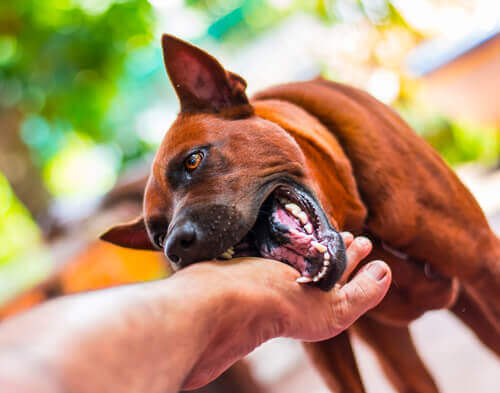
Some dog breeds come from herding backgrounds. That means they have a higher chance of biting your ankles or feet. Corgi, Aussies, Border Collies, dachshunds, Great Pyrenees, Burmese mountain dogs, and Maremma sheepdogs are most likely to participate in ankle or foot biting. These dogs were bred and trained to be farm security dogs. They would steer or herd livestock and tunnel for vermin. A nip might not be anything concerning, but bites are. Speak to the
New Jersey Dog Bite Lawyer if a dog bites you.
Herding behavior can lead to foot-biting
Ankle biting is a natural behavior for some breeds. It is an instinct that comes from herding. For herding breeds, biting your feet or ankles is a way to try and herd the person. Essentially, they are treating you like livestock. They may often do this when they see someone running around or playing. As puppies, it is crucial to redirect and train their behavior.
If the nipping and biting continues into adulthood, it can result in serious injuries or death. Herding behavior is meant for the wild, not for the home. Dog owners are responsible for training their dogs. They should also pay for any damages the dogs inflict on others.
Encouraging biting behavior and why you shouldn’t
How you react to nipping and biting can impact if the dog continues to participate in the behavior. They will think you want to play if you scream and run away. They see these actions as encouragement. Instead, you should take corrective actions so they do not get into the habit of biting. They will do it to others when they feel encouraged to bite or nip their owner.
Sometimes, owners will intentionally move their feet away from the dog as a way to play. They are encouraging the dog to nip or bite them. Dogs love the chase. So, if the owner shows them that moving feet is a game, it translates to the dog that they can do this with others. They want to win the game of catching the feet.
Lack of attention is another encouraging behavior that many owners overlook. Dogs require attention. If they only get attention when they do something negative, like biting your ankles, they will continue participating in this activity. A dog can interpret your scolding as positive reinforcement. They are getting your attention, which is all that matters to them.
Why dogs bite
Dogs can bite for several reasons. Even a friendly dog can snap unexpectedly. While many dogs bite out of aggression or fear, that is not always true. Determining why dogs bite is instrumental in preventing bites in the future. Dog owners should be aware of their dog’s behavior and work to change it.
Some of the most common reasons a dog may bite include:
- Lack of socialization. Puppies do not know the difference between playful and painful bites. They must learn these boundaries with the help of their owners. Often, the puppy will learn the differences from their mother. When the mother sees the pup bite too hard, she will growl or reprimand the puppy. This shows them this is not a good thing. This can lead to a dog knowing the difference as it grows.
- Sometimes, dogs will bite or nip when they are excited or impatient. They will nip ankles or feet because they think it is playful. They can do this to say they want you to chase them. Breeds with higher prey drives will also naturally nip or bite.
- Wanting to play is another reason that dogs will bite ankles. If they nip and bow, they try to get you to play with them. This is their way of inviting someone to play. It is a sign of love and affection. They can do this at random times, like when you are lying down watching television.
- An injury or pain can make a dog act in strange ways. Pain can make anyone uncomfortable. When a dog is uncomfortable, it will bite. They will even bite their owners. The dog may snap the air if you get too close to the area, causing them pain. They are trying to protect themselves. Sometimes, they will bite if someone steps on them, causing pain.
- Dogs have a lot of energy they need to get out. They have to find a way to let it all out. If they do not have a healthy way to release this energy, it can lead to ankle biting. Exercise needs vary depending on the dog’s age, health, and breed.
- Aggression or fear. The most common reason dogs bite is because they fear their environment. An aggressive bite can be challenging to distinguish from a playful one. The best way to differentiate is by paying attention to the dog’s body language. If they expose their teeth or wrinkle their muzzle, it is a sign of aggression. The strength of the bite is another indicator that it is aggressive.
The best way to know if the dog will bite is by getting to know them and paying attention. When a dog owner sees any signs the dog will bite or has a high propensity of biting, they should take steps to prevent it.
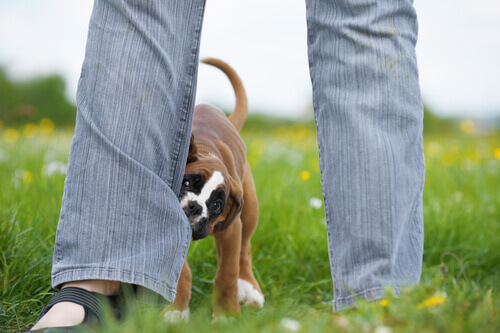
Enrichment can decrease biting
Since these breeds are working dogs, enrichment activities are the best way to decrease biting. Give them a job with challenging problems to solve. Many enrichment activities can prevent bites. Some include:
- Food
- Games
- Toys
- Training
- Playmates
Sometimes, the nipping comes from boredom or anxiety. Some ways dog owners in New Jersey can control nipping is by:
- Rolling and chasing a ball outside. Some breeds like bigger balls like yoga or exercise balls.
- You can also keep a toy in your pocket. When the dog bites your ankle, stop and grab the toy. Wait until they latch on and then release. This will show them not to bite ankles but to chew toys instead.
- You can also place hanging toys around. When the dogs are going to play with these toys, there must be adequate supervision. Owners can use a rope to tie a giant toy to a tree or other stable structure.
It is also an excellent strategy to have enrichment activities every day. Owners can mark a specific time for activity. Changing the enrichment activity daily is best so the dog does not get bored. An example of an enrichment schedule looks like the following:
- Feeding activity where the dog must use a puzzle toy
- Toys
- Socialization at the dog park or other dog event
- A sensory activity like a specific smell or taste
Another critical factor is patience. Herding dogs are easy to redirect, but it requires time. They will need stimulation to outgrow their instincts. You can’t blame a dog for doing what comes naturally. You can blame their owner for not training out negative behaviors.
Preventing nipping and biting
The best way to stop a
dog from biting or nipping is through training. When it comes to training, owners must reinforce what the dog learns. They can do this by staying consistent. They should also ensure everyone in the home knows the training so the dog doesn’t get mixed messages.
Here are some tips for staying consistent with the dogs’ training:
- Vocalize: During playtime, if the dog bites, the best thing to do is do a high-pitched yelp. You can also say ouch. Immediately after making the noise, pull your hand or other body part away for at least 30 seconds. Owners must do this every time the dog bites until they learn.
- Show them patience: Sometimes, dogs will nip or bite when they are impatient. This can happen when you are giving them a treat or food. You can prevent this by showing them the treat and then closing your fist. Let them smell your hand, but do not open it for 10 seconds. Next, say their name, extend your hand, and let them take the treat from your palm. It teaches them patience and how to be gentle.
- Timeouts: Dogs can sometimes behave like children, and some disciplinary methods can overlap. Timeouts are one of the methods that work well for children and dogs. You can leave the dog in a crate or room alone for 30 seconds to a minute after they bite. They might not change their behavior after the first time. You may have to do this a few times for them to understand the concept.
- Change play style: roughhousing can be fun for some breeds and dog owners. However, it can also show negative behavior. Playtime is crucial because it shows your dog love and affection. They bond through play. Instead of using hands, use toys for roughhousing. If the dog tries to nip or bite, change the play style. You can move to another game, like fetch, to redirect.
- Change their instincts: It is essential to research the background of the dog. They have special needs if they are a herding or high prey drive breed. They will chase and bite your ankles for fun. By taking some of the other steps and actions, you can begin to change their instincts. This will take some time as you change what the dog is programmed to do.
- Seek professional help: If you do not have the skills to train or your dog is not receptive, you should seek professional help. An experienced dog trainer or veterinarian can guide you on other steps you can take. They can work with the specific dog breed, temperament, and personality.
Many steps and actions will help prevent your
dog from nipping or biting. As time goes on, it should become less and less prevalent. When a dog owner does not train their dog out of biting, they may attack others. The dog does not know they did anything wrong. They might be accustomed to getting away with this behavior. While the dog is innocent, the owner is not. Dog bite victims need the help of the New Jersey Dog Bite Lawyer.
Things not to do when a dog nips
Sometimes, owners believe that hitting the dog will teach them not to repeat negative actions. Hitting and slapping can make nipping and biting worse. The dog will take this as aggression, not punishment. They will then begin to bite more aggressively. Dog owners should also avoid the following:
- Whacking their nose
- Sticking fingers down their throat
- Scruff shaking
- Giving them attention for their behavior
- Grabbing the dog’s mouth to close it
Some of these actions can lead to negative outbursts later. The dog can also become afraid of the owner and strangers. They might see a hand approaching them as a dangerous situation. This can cause them to be on high alert and bite.
Steps to take after a dog bite in New Jersey
While owners should not reprimand their dogs by using aggression, victims should take some steps. When a dog bites or nips, you should get medical attention. Even a tiny tear in the skin can lead to infection. You can wash it and apply antibacterial ointment if it is a minor injury. You should also use a sterile bandage.
You should immediately seek medical attention if there is puss, redness, or swelling. Severe injuries will require immediate care as well. Deep bites can require hospitalization and stitches. Dogs also carry various diseases. You may need a tetanus shot if you are unaware of their vaccination history. Talk to an attorney immediately, as there is a
statute of limitations in place.
Call The New Jersey Dog Bite Lawyer
While herding dogs are likelier to bite, any dog can bite a person unexpectedly. A nip can be an unpleasant experience that does not cause much harm. However, a bite can cause injury and emotional trauma. When a dog bites the owner, you can pay for any medical bills you may incur. Their homeowner or renter’s insurance will usually be the parties who pay. Victims of dog bites need legal representation.
Call us at 866-259-4377 for a free legal consultation or reach out via our
web contact form.