

When to Seek Medical Care
The Mayo Clinic reports that, if you experience specific signs in the aftermath of a dog bite, it’s time to see a doctor. Consider the following:- If your skin is badly crushed or torn or if there is a significant amount of blood, first stop the bleeding by using a clean cloth or bandage to apply pressure and then obtain medical assistance.
- If you’re not sure how serious the injury is, err on the side of caution by seeking medical attention.
- If your injury is a deep puncture, check in with a doctor.
- If you see any warning signs of infection, such as swelling, pain, redness, or oozing, don’t put off seeking medical care.
- If you have concerns about the dog’s vaccination status, discuss them with a medical professional.
- If the injury is on your hand, fingers, foot, neck, face, or head don’t wait to call your healthcare provider.
- If the injured person is a child, let the doctor decide if the bite is serious or not – don’t waste time judging for yourself.
- If the bleeding won’t stop, you shouldn’t take a wait and see attitude – it’s time to see a doctor.
- If your injuries are obviously serious, call 911.
The Symptoms Experienced
Mount Sinai shares some of the symptoms that tend to accompany dog bites:- Severe pain
- Numbness and tingling
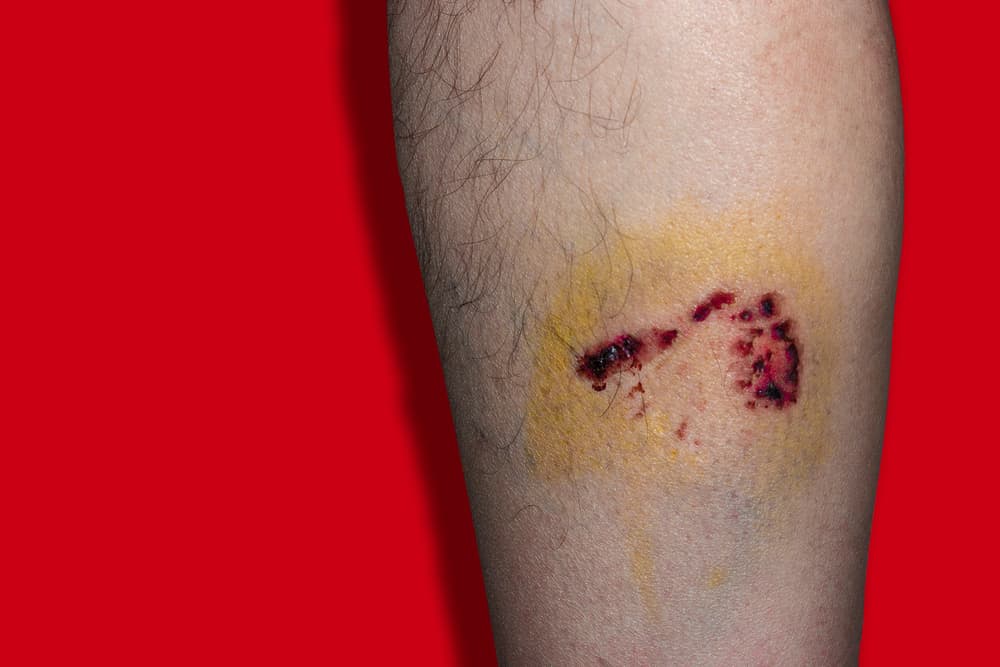
- Breaks in the skin
- Major cuts
- Possible bleeding
- Bruising that causes skin discoloration
- Crushing that can lead to serious tears in the tissue and to permanent scarring
- Puncture wounds
- Injuries to a tendon or joint that leaves the area in a state of decreased functioning and with decreased range of motion
Tending to Wound Care
If the bite is minor, there is wound care that you can employ at home – keeping a close eye on your injuries to ensure they don’t worsen over time. The steps for addressing a minor dog bite wound include:- Using a sterile bandage or a clean cloth to apply direct pressure on the wound and help stop any bleeding
- Using mild soap and warm, running water to wash the dog bite wound – rinsing it clean for a full three to five minutes
- Using an antibacterial ointment to help reduce the risk of infection by applying it directly to the clean, dry wound
- Covering the wound with a clean bandage
- Help calm and reassure the injured person as you tend to their wounds.
- Before tending to the injured person’s wounds, wash your own hands with soap and warm water, dry them thoroughly with a clean towel, and pop on latex gloves if they’re available.
- Tend to the injured person’s wounds just as you would your own.
- Wash and dry your hands thoroughly again.
Complicating Concerns
There are a few health conditions that make dog bites that much riskier, including:- Diabetes
- An immune system that is weakened due to disease or medicine
- Poor circulation or peripheral arterial disease
The Statistics
Dog bite injuries are more common than you may think. In fact, an important report published by the National Institute of Health (NIH) shares the following sobering statistics :- Over a recent 9-year stretch, there was an average of 337,103 emergency room visits related to dog bites each year.
- Over that same period, the average age of those injured was 28.9 years, and males and females were almost equally represented.
- In 47.3 percent of the injuries, the bites were in the upper extremity.
- In 26.8 percent of the injuries, the bites were in the head or neck.
- In 21.5 percent of the injuries, the bites were in the lower extremity.
- In 4.4 percent of the injuries, the bites were in the trunk.
- Younger victims were more likely to suffer injuries to the head and neck.
- Of all the dog bites, 1.7 percent led to hospitalization.
- Dog bites accounted for 1.1 percent of all emergency room visits, making it the 13th most common injury, which ranks higher than motorcycle accidents at 14th, pedestrian accidents at 15th, and firearm gunshot injuries at 16th.
If the Dog Bite Is on the Face
If the dog bite you’ve suffered is on or near your face, it can be permanently disfiguring and can require ongoing medical care that may include multiple plastic surgeries. Disfigurement comes with its own brand of emotional complications that can be very difficult to overcome. Further, your vision can be seriously impaired, which is another life-altering injury. Children are most likely to suffer serious injuries to the face, but anyone – of any age – can be affected.Signs that a Dog Bite Is Infected
If you have a dog bite injury that shows any signs of infection, it’s time to see a doctor. The most common signs of infection include the following:- If the wound area is swollen and red
- If you experience pain that lasts longer than 24 hours
- If there is drainage from the wound
- If you experience a warm feeling around the wound area
- If you have difficulty moving or bending the affected area or joint
- Running a fever
- Experiencing body shakes
- Having night sweats
Capnocytophaga
Capnocytophaga is a form of bacteria that is commonly found in dog saliva, which leads to a specific kind of infection and – if left untreated – can cause serious complications such as gangrene, kidney failure, and heart attack. A Capnocytophaga infection requires antibiotics. Symptoms of this serious infection include:- Blistering that occurs around the wound
- A wound that oozes liquid
- Fever
- A wound that is red, swollen, and painful
- Headaches
- Joint pain
- Vomiting and diarrhea
Sepsis
Sepsis refers to a very serious bodily reaction to an infection, and it is sometimes caused by dog bites that go untreated. Sepsis can prove fatal, which makes being hypervigilant regarding symptoms like the following paramount:- A confused state
- Extreme fatigue during the day
- A body temperature that is running either hi
 gh or low
 - Extreme pain or discomfort
A Dog Bite Injury and Your Losses
If you’ve been injured by someone else’s dog, the losses you experience can be immense, and they are likely to fall into three primary categories.Medical Costs
To begin, you’ll need to be checked out by a medical professional after a dog bite, but you may experience far more expenses in this category, including:- Medical tests, procedures, and treatments
- Prescription medications
- PT and OT – if you experience losses related to range of motion
- Pain management
- Plastic surgery
- ER visits and hospital stays
- Ongoing treatment and care
Lost Income
The more serious your dog bite injury, the longer you’re likely to be off the job, and the more seriously your income will be affected. If the dog bite interferes with your ability to perform your job, your earning potential can be negatively affected. Because our careers tend to bolster our sense of self, losses in this arena can also have an emotional impact.Pain and Suffering
One of the most profound losses people tend to experience in relation to dog attacks – even when compared to serious medical and financial costs – is the physical and emotional pain and suffering they’re forced to endure. Being attacked by a dog that belongs to someone else is a terrifying experience that can lead to PTSD-like symptoms such as the following:- A sudden fear of dogs
- Terrifying flashbacks of the dog attack
- Fear of venturing outdoors
- Increased anxiety
- The onset of depression or increased depression
- Severe mood swings
- Difficulty reaching out for emotional support just when it’s needed most
- A tendency to self-isolate
- Sleep disturbances
- Difficulty concentrating
A Note about Dog Breeds
While there are several dog breeds that people tend to think of as being aggressive and prone to biting and while there are statistics to back up these fears, any dog can bite. This includes dogs that have never bitten anyone before and dogs that have never exhibited aggression before, which makes playing it safe with dogs you don’t know an excellent plan. Consider the following dog bite statistics shared by DogsBite.org that focus on the two dog breeds that are considered most dangerous:- In the years from 2005 to 2019, dogs killed 521 people in this country, and more than 75 percent of these deaths were the result of pit bull and rottweiler aggression.
- In a 20-year study that spanned from 1979 to 1998, 238 people lost their lives to dog attacks, and about half of these involved pit bulls and rottweilers.
- The number of dog bites in this country has increased over the years, and the percentage that pit bulls and rottweilers are responsible for has also increased.
- Pit bulls and pit bull mixes fatally attack people at seven times the rate of rottweiler attacks, and pit bulls – unlike most other breeds – often attack with no outward warning signs that might tip a victim off.