

Overview of the Cane Corso breed
 The Cane Corso breed dates back centuries. They originated from Italy and were initially bred to work alongside farmers, helping guard their properties and livestock. These loyal and powerful dogs quickly gained a reputation for their protective instincts and ability to deter potential threats. Over time, their role evolved, and they became trusted companions for families due to their affectionate nature and strong bonds with their human owners.
Temperament and physical characteristics
Selective breeding plays a vital role in shaping the temperament and behavior of Cane Corso dogs. By carefully mating specific dogs with desired traits, breeders aim to enhance certain characteristics over generations. In the case of a Cane Corso, their breeding history emphasizes protective instincts, loyalty, and a strong sense of territoriality. While this has made them exceptional guard dogs, it also means they can be more prone to being overprotective and potentially aggressive, especially if they perceive a threat to their family or territory. As with any breed, the environment and training responsible owners provide play a crucial role in determining how these inherent traits manifest in individual dogs. Cane Corso dogs possess distinctive physical traits that contribute to their imposing presence. They have a large muscular build, showcasing strength and agility. Their short coat, typically in various colors like black, gray, or fawn, is easy to maintain. With their well-defined facial features, including a broad head and strong jaw, Cane Corsi has a commanding appearance that often commands respect. These dogs are also known for their keen intelligence, which helps them excel in various tasks and makes them quick learners when properly trained.How dangerous are Cane Corso dogs?
Even though Cane Corsi does not have nearly as many reported attacks as other breeds, that does not mean their attacks are less vicious. According to one study from 1982 to 2022, Cane Corso dogs were responsible for 21 reported attacks—11 on adults and four on children. The attacks resulted in 12 maimings and even two deaths. Due to their size, strength, and strong prey drive, Cane Corsi can be considered potentially dangerous. While it is important to note that not all Cane Corsi are aggressive or dangerous, their powerful build and protective nature can lead to severe consequences in the event of an attack. It’s important to remember that the breed does not solely determine the severity of dog attacks but is also influenced by factors such as socialization, training, and responsible ownership.Are Cane Coro dogs more aggressive than Pit Bulls?
 Cane Corso dogs and Pit Bulls share some similarities despite being distinct breeds. Here are a few ways in which they are similar:
- Physical strength. Cane Corsi and Pit Bulls are robust and muscular breeds with considerable physical strength. They have powerful jaw muscles, which can contribute to their bite force.
- Loyalty. Both breeds are known for their loyalty to their families. They form strong bonds with their owners and are often protective of them.
- Intelligence. Cane Corsi and Pit Bulls are intelligent dogs. They are quick learners and can excel in various training exercises with positive reinforcement and consistent training methods.
- Playfulness. Both breeds can exhibit playful and affectionate behaviors, especially when properly socialized and raised in a loving environment.
- Need for Socialization. Cane Corso dogs and Pit Bulls require early and ongoing socialization with other dogs, animals, and people to ensure they become well-adjusted and friendly adults.
- Prey drive. While the prey drive may be more pronounced in a Cane Corso, both breeds can have the instinct to chase and sometimes catch smaller animals due to their historical roles as working dogs.
A Cane Corso has an extremely high prey drive
Prey drive in dogs is an instinctual behavior from their ancestors’ hunting background. It’s like a strong inner urge that pushes dogs to chase, capture, and sometimes even catch smaller animals. This natural drive is particularly robust for the Cane Corso breed due to their history as working dogs used for guarding and protecting. The prey drive is a powerful motivator for them, influencing their behaviors and reactions in certain situations.How a strong prey drive can lead to unpredictable behaviors and aggression
A high prey drive can lead to unpredictable behaviors in Cane Corsi. When triggered, they might become hyper-focused and fixated on a moving target, making them less responsive to commands from their owners. This intense focus can be mistaken for aggression. Still, it is important to understand that the dog is merely acting on its instinctual drive rather than a deliberate intention to be aggressive. However, if the situation escalates, there is a risk that the dog’s natural response to the perceived “prey” can result in aggression and harmful consequences. Cane Corso dogs don’t choose to behave aggressively but are driven by their instincts. Their behavior results from thousands of years of breeding and adaptation for specific tasks that involve guarding and protecting. While most Cane Corso dogs may never act aggressively towards people, the strong prey drive poses potential risks, especially when the dog is not adequately trained or supervised in certain situations. Responsible dog owners should proactively understand and manage their Cane Corso’s prey drive, utilize positive training methods, and maintain a safe environment to prevent potential harm or unintended consequences.Instinct makes a Cane Corso more likely to target smaller animals and children
Due to their incredibly strong prey drive, a Cane Corso is likely to see smaller animals, such as cats or dogs, as potential prey. When encountering such animals, their instincts can take over, leading them to chase or attack the smaller creature. Additionally, a Cane Corso may view young children as potential “prey” due to their quick movements and higher-pitched voices, which can trigger the dog’s instinctual response. It is so important for Cane Corso owners to be aware of this instinct and take necessary precautions, such as supervised interactions and proper training, to prevent any potential harm to smaller animals or children.Contributing factors to Cane Corso’s aggression
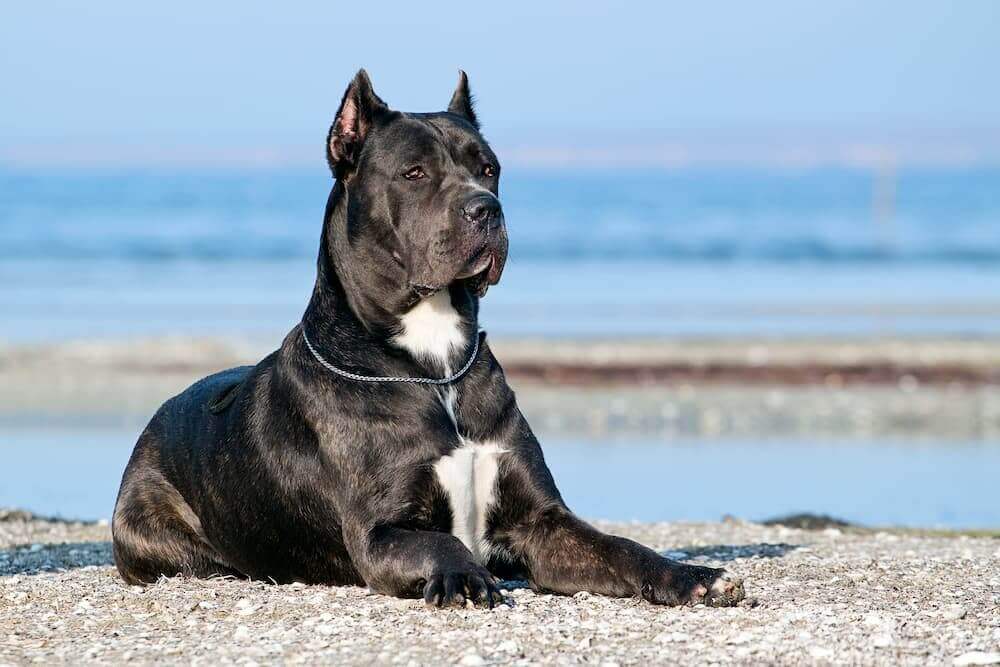 Sometimes aggression is not always so cut and dry, especially in dogs. In the Cane Corso breed, several elements significantly shape their behavior and tendency to become more aggressive.
Lack of proper socialization and training
Proper socialization and training are vital for all dog breeds, including Cane Corso dogs. Socialization involves exposing the dog to various people, animals, and environments from a young age. This helps them develop positive behaviors and adapt well to different situations. Without adequate socialization, Cane Corsi may become fearful or anxious when faced with unfamiliar circumstances, leading to defensive or aggressive responses. Training is equally essential in teaching dogs appropriate behaviors and responses to commands. A lack of training can result in a Cane Corso being unsure of how to behave in certain situations, potentially leading to aggressive behaviors as a form of self-defense.Irresponsible ownership and neglect lead to aggressive tendencies
How a dog is raised and treated has much more of a significant impact on its behavior than you may realize. Irresponsible ownership, such as neglecting proper care, not providing enough exercise, or using harsh training methods, can contribute to developing aggressive tendencies in a Cane Corso. Dogs not adequately cared for or mistreated may become fearful or defensive. As a result, this will potentially lead to aggressive behavior as they cope with their environment or as a way to protect themselves.Potential genetic predisposition to aggressive behavior
While it is important to recognize that not all Cane Corso dogs are aggressive, some individuals within the breed may have a genetic predisposition towards aggression. Selective breeding practices in the past might have unintentionally passed on aggressive traits, making some of these dogs more prone to aggressive behavior. However, genetics is only one factor that can influence a dog’s behavior, and responsible breeding and socialization can play a significant role in shaping a Cane Corso’s overall temperament.Why does aggression happen?
Sometimes dogs showcase their aggression immediately. Other times, people are caught off guard because a seemingly nice dog suddenly snaps and turns aggressive. What’s the reason either of these even happens?- Fear. Aggression can be a defensive response when a Cane Corso feels threatened or afraid. It is their way of protecting themselves from perceived dangers or uncomfortable situations.
- Territoriality. With their strong guarding instincts, Cane Corso dogs may display aggression when they feel their territory is being invaded or perceive someone or something as a threat to their family or property.
- Lack of socialization. Insufficient exposure to various people, animals, and environments during the critical socialization period as puppies can lead to fear and aggression towards unfamiliar situations or individuals.
- Pain or discomfort. Dogs in pain or discomfort may exhibit aggression to communicate their distress or protect themselves from being touched or approached.
- Possessiveness. These dogs may also show aggression if they feel possessive over resources such as food, toys, or their resting spots.
- Frustration. Frustration resulting from restraint, lack of exercise, or inability to access something they desire can manifest as aggression.
- Previous negative experiences. Past traumatic experiences or abusive treatment can lead to defensive aggression in a Cane Corso.
- Genetic predisposition. Some Cane Corso dogs may have a genetic predisposition towards aggressive behaviors.
Recognizing the signs of aggression
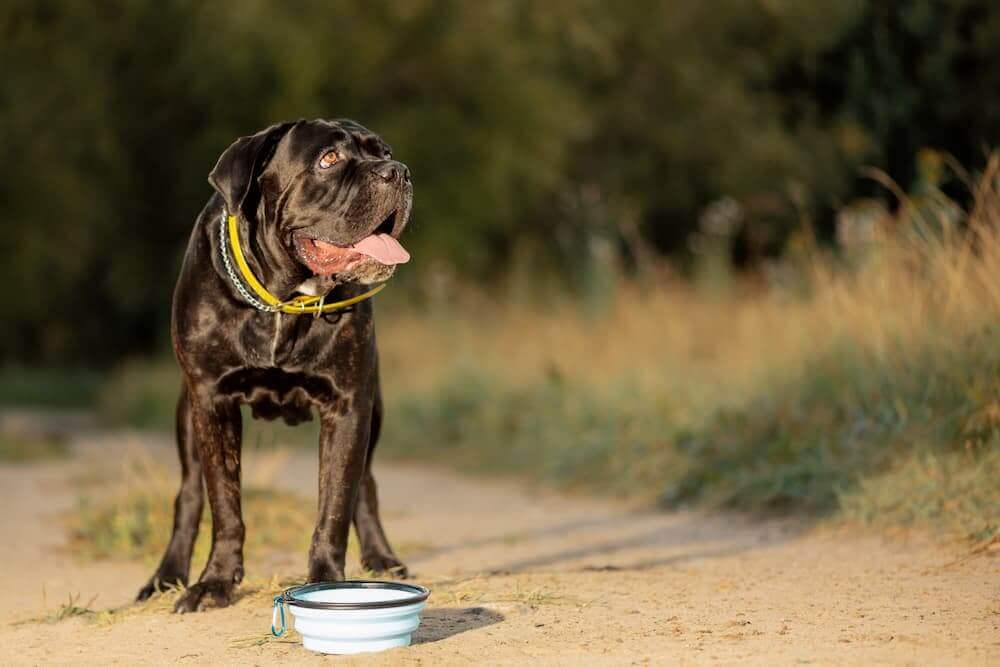 Identifying signs of aggression in a Cane Corso is an important part of being a responsible dog owner. However, it is also helpful for anyone interacting with this type of dog. Here are some common signs of aggression that a Cane Corso may display:
- Growling and snarling. Growling and snarling are vocal expressions of displeasure or discomfort, indicating that the dog feels threatened or defensive.
- Raised hackles. When a Cane Corso feels threatened, the hair along their back and neck may stand on end, known as “raised hackles.”
- Stiff body language. Aggressive dogs may exhibit stiff and rigid body postures, with their muscles tense and their tail held high or straight.
- Lunging or snapping. Cane Corsi may lunge or snap at people or other animals when they perceive a threat or feel uncomfortable.
- Showing teeth. Baring teeth is a clear sign of aggression and a warning signal that the dog may be more aggressive if the threat is not removed.
- Direct eye stare. An aggressive Cane Corso might fixate its gaze on a perceived threat, demonstrating an intense focus and readiness to react.
- Raised lips. When a Cane Corso raises its lips to reveal its teeth, it exhibits a defensive or aggressive posture, signaling potential aggression.
- Protective or possessive behavior. An aggressive Cane Corso may also display possessive behaviors over food, toys, or territory, becoming defensive if someone or another animal approaches these resources.