
Handling the Immediate Aftermath: Ensuring Safety for All Involved Dogs
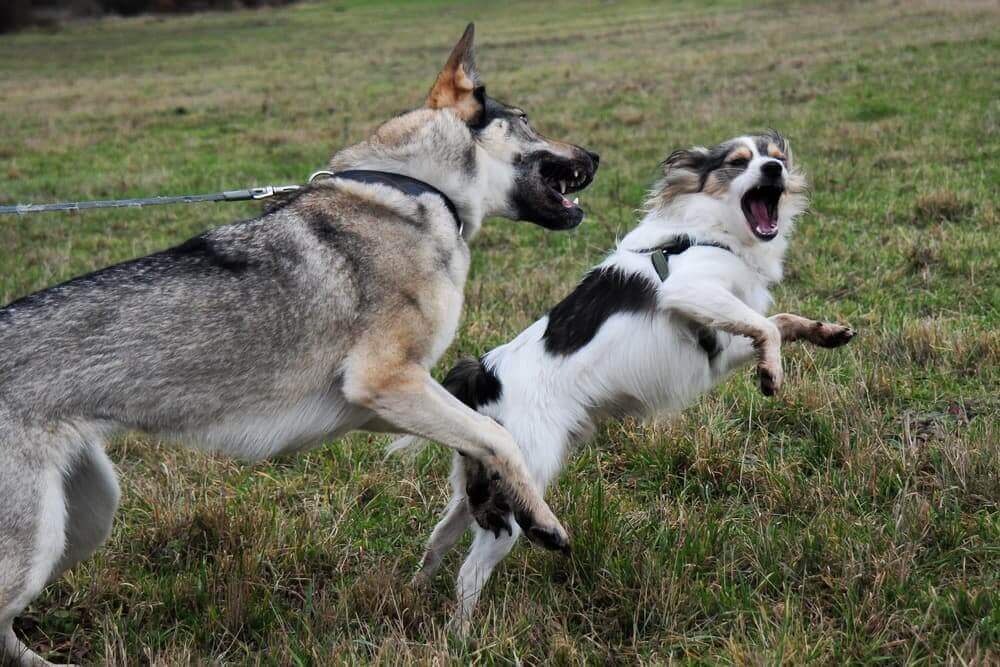
No one is expecting to be involved in a dog fight. When your dog is being attacked, it is crucial to stay calm but assertive. You should not scream or become aggressive, as this can trigger the dog to continue attacking. Stopping the attack is the first and most crucial step. The longer the dog attack goes on, the more seriously injured your dog can be.Stopping the attack
Do not try to choke the dog; instead, you can twist its collar and lift it. This is a tricky maneuver, but it can stop the fight. Another method to use is to grab the aggressor by its hind legs. This method is more effective if someone else can hold the other dog, and you can both slowly move backward away from each other. Do not kick or hurt the aggressive dog, which can escalate the situation. Many dog fights can end in seconds if you can break it up. Something else you must consider is your safety. While you want to save your dog, you should not risk your safety. Smaller scuffles may require less physical maneuvers or owner involvement. Sometimes you can make a loud noise to startle the dogs so you can grab them. Sometimes throwing water or spraying a hose can confuse a dog and avert their attention. Even in minor scuffles, you should assess your dog for injuries. Check them after the attack and 20 minutes later when they settle down.Big dogs attack little dogs.
The advice above can help when the dogs are similar in size. However, when one dog is larger than another one, there are different steps you can take to separate them. The best way to separate the dogs is to pick up the small dog and shield them with your arms. You should turn to one side to avoid eye contact and stay calm. There is a risk that the bigger dog can try to attack you to get to the small dog.Dogs can become traumatized.
Aside from the physical harm dogs will endure when attacked, they can also suffer emotional trauma. You must pay extra attention to the dog’s behavior. Sometimes you will see signs immediately following the attack, such as your dog shaking uncontrollably. They may also urinate or defecate from fear. Trauma will not necessarily make them aggressive, but it can change their behavior for some time as they deal with what happened to them. They may have mood swings, not listen to your commands, refuse to go outside, or refuse to eat or drink anything. They may become depressed after being attacked. Be patient and tell your vet if you see any of these signs.Assessing the Situation: Understanding the Factors that Led to the Incident
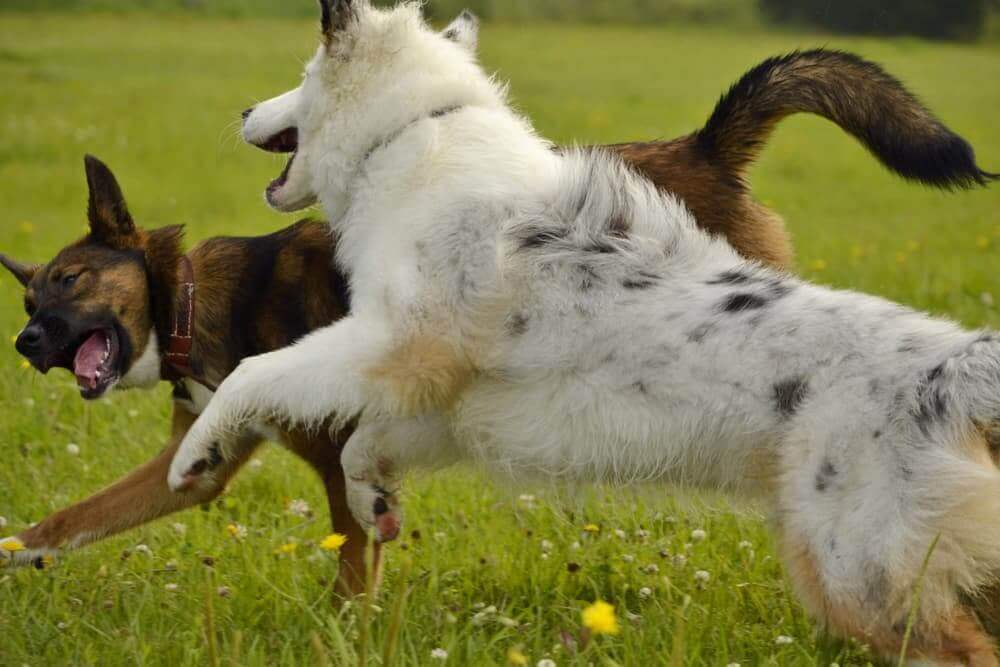 Dog attacks can happen in the blink of an eye. It can be challenging to decipher what happened and who started it. Many times who started the fight will come down to a he-said-she-said situation between the two dog owners. These arguments usually go nowhere. However, there are some factors you can consider to understand what led to the incident.
Location
Where the attack occurs can play a significant role in understanding negligence and liability. If the loose dog enters your gated backyard, then it might be obvious to the insurance company who is liable. Another scenario that might be clear is you are walking your dog when an aggressive dog escapes and attacks you. Where things can get murky is at dog parks and other public places. Suppose a small dog attacks a large dog, and in self-defense, the big dog causes serious injury to the small dog. That can be a very complex claim. Discuss your circumstances with The New Jersey Dog Bite Lawyer.General Observations
The AKC has compiled a list of nine traits that can be signs a dog is aggressive or dangerous. If owners witness any of these signs, they should secure the dog as it might be a threat to public safety. These are generalizations and are not a hard rule that a dog will attack a person or another pet. The traits include:- Adult dogs that are not spayed or neutered
- Large dogs with short coats weighing over 100 pounds
- Dogs who look mean based on appearance usually are
- Protective dogs are more likely to be wary of strangers
- Dog breeds can contribute but are not as important as specific traits
- Dogs chained up, locked in garages, and with low socialization are more likely to attack
- Abused, isolated or neglected dogs are at a higher risk of attacking.
- Young, untrained dogs have a higher propensity to being aggressive than older dogs
- A dog’s history of aggression
Indicators of negligence
There are some indicators you can look for to determine who is responsible for the escaped dog. First, you should beware of dangerous dog laws in your area. These laws and regulations can help you. If you live in a complex or have an association controlling the property, they may have specific dog regulations. You can use these regulations as an indicator the owner was negligent. You can also ask neighbors for information about whether the dog has been a problem in the past. Ask around to see if the dog has attacked other pets, children, or people. You can also check with animal control to see if they have citations or issued warnings regarding this dog in the past. If the dog is loose, that may indicate that the owner is negligent. These negligent indicators can help you in your injury claim.Gathering evidence
One aspect of assessing the situation is gathering evidence about what happened. This part will come after you separate the dogs. We understand that some cases require swift action to get the dog to medical attention. You might be unable to gather the necessary information because your dog’s life is on the line. Some pieces of evidence that can help your claim are:- Expert testimony from a canine behaviorist
- Photos and videos
- A veterinarian’s opinion
- Receipts for out-of-pocket costs
Leashes
One vital fact that can impact your claim is whether the dogs were leashed. If an unleashed dog is an aggressor, that helps your case. Conversely, if a leashed dog is the aggressor, that can complicate matters. Additionally, there are leash laws that can be relevant to your lawsuit. Local leash laws can vary, and you should consider where you are and what the laws are. If you see a dog owner not obeying leash laws, ask them to leash their dog.Provocation of a dog
One defense that dog owners will use is that the dog was provoked, and it was an instinct to attack. Dogs’ instincts are fighting or fleeing when feeling threatened or anxious. They may attempt to flee if they think they can. That would also be a safe option for the owner. However, if they decide to fight, it could be because they feel trapped. If the dog is preparing to attack, it may begin to snarl or lay low to the ground. If the dog gives a warning and the provocation continues, its next action is to attack. It can take seconds for an incident to escalate. Some common reasons a dog will feel provoked include:- Hitting the dog
- Stepping on their tail
- Trapping them in a small space
- Startling them
- Pulling its legs, ears, etc.
Unintentional provocation
While many examples in the previous section are intentional actions, others are unintentional ones. Sometimes the provocation is towards the owner. Unintended provocation can involve a person making a threatening or aggressive gesture at the owner. This may cause a sleeping dog to jump up and bite instinctively. Unintentional provocation can lead to partial liability.Non-provoking actions
Provocation is a factor that can sway a claim one way or the other. However, you must also consider actions that are non-provoking. Some people will attempt to say that a non-provoking action is a provocation. In typical circumstances, the following are deemed non-provoking actions:- Carrying a package and walking toward a dog
- Feeding a dog
- Reaching to pet a dog
- Walking towards a dog
- Addressing the owner
- Transporting an injured dog
- Playing with a dog
Seeking Veterinary Care: Treating the Injured Dog and Preventing Infections
 Even if you think your dog is fine or the injury is minor, you must take them to the vet immediately. It can be difficult to assess injuries. Emergency clinics have some experience treating dogs who have been in altercations. They can evaluate the severity of the injuries and devise a treatment plan for your dog. This medical assessment will also help with your dog attack claim.
Signs you need a vet
When dogs attack, they often want to inflict serious injury on the other dog. Aggressive dogs may also be attacking to kill. If you are unsure whether your dog has suffered a severe injury, you can assess your dog by looking for the following:- Lethargy, signs of pain, or they are off-balance
- Unexplained seizures (a sign of brain damage)
- Swollen nose
- Breathing issues like gasping for breath
- Puncture wounds
- Blood from the mouth or nose
Dealing with Legal and Moral Obligations: Owner Responsibility and Potential Consequences
You will likely have expenses stemming from a dog attacking your dog. You can pursue legal action if someone else’s dog hurts or kills your dog. Morally, the attacking dog’s owner would pay your medical and veterinary expenses. However, you must speak with a New Jersey dog bite lawyer when a dog owner does not meet their moral or legal obligations.Reporting the dog attack
It is a good rule of thumb to report any dog attack. Reporting the attack may be a no-brainer if the other dog owner was negligent or your dog suffered severe harm. While many owners are responsible and try to mitigate future attacks, some are in denial of their dog’s behavior. When a report is filed, negligent dog owners cannot deny their dog’s aggression. The police will determine who is responsible, especially when there are witnesses. The outcome of reporting a dog attack will vary depending on what happened and the aggressor’s history. Sometimes the dog will be given a dangerous designation. It can also be a warning to the owner of the consequences of ignoring their dog’s behavior. In some cases, euthanization becomes an option which is something that is life-altering.The value of your case
Before taking legal action, you should consider the value of your case and legal fees. While most personal injury cases work on a contingency fee, dog-on-dog attacks are in a bit of a gray area. When assessing a case’s worth, a New Jersey dog bite lawyer will review the following:- Replacement: if your dog passed away from the dog attack, you might be eligible to recover the costs of getting a similar dog. You will need proof of the current market value for a similar dog.
- Overall health: the dog’s health at the time of the attack is also considered when assessing case worth. Vet records and statements can help prove the dog’s overall health and how this accident has impacted its health. Past medical records are also vital if your dog passes away, as they will show the death was not due to a pre-existing medical condition.
- Training and intelligence: if your dog had any special training like vocational, obedience, or agility, that can be reimbursed if they pass away. Dog owners will need to provide records of the training.
- Breed: whether your dog is a full or mixed breed can impact your claim. Some breeds have higher monetary value than others. If your dog has an American Kennel Club registration, you should provide the documentation to your dog bite lawyer.
- Treatment costs: Most of the claim will be contingent on your dog’s treatment costs after being attacked. You must keep all veterinary bills and medication receipts. You can include these in your claim to pursue compensation.
One bite law
In some places, the owner is not responsible for the dog’s first bite. This law, when implemented, means the owner and dog get one free bite. However, many areas are moving away from this and holding dog owners responsible regardless of whether it is a first bite. In places that apply the one-bite law, the owner isn’t accountable for damages, but the dog will be given a dangerous dog designation. Ask The New Jersey Dog Bite Lawyer if this applies to your case.Civil lawsuits
In many situations, when a person is negligent, leading to an injury or death of your dog, you might be able to file a civil lawsuit. However, you will have to prove malicious intent or negligence. Proving these can be complex and are the key to pursuing compensation. Discuss whether this is the right option with a dog bite attorney in New Jersey.Criminal charges
Criminal charges might be filed independently of a civil claim. In criminal cases, victims must prove that the person was malicious or intentional with their actions leading to the dog’s injury. Another possibility is that the person broke animal anti-cruelty laws. They may face community service, fines, or jail time if they violate any laws. You also have the option to obtain compensation for emotional damages.Small claims court
Dog owners also have the option to pursue the case in small claims court. This option can save on legal fees. Going with this option also means you can sue independently, your case may resolve quicker, and the country clerk can walk you through the process. One caveat of this option is you can only pursue economic damages. You cannot seek punitive or noneconomic damages. You may also have shorter time and payment limits. While it varies, sometimes the maximum amount you can recover is between $2,000 and $10,000.Homeowners insurance claim
Many dog owners will register their dogs with their renters or homeowners insurance. The insurance policy will likely be responsible for paying for any losses. Most homeowners insurance policies will fully cover the pet’s expenses. One caveat is that insurers have breed restrictions. If the dog who attacked is under a breed restriction, it can be challenging to recover monetary compensation.Damages for dog-on-dog aggression
When you are pursuing legal action, you will have to calculate your losses. Some of the items you can seek reimbursement for include:- Dog medication
- Vet bills
- Kennel fees
- Replacement cost of a dead dog