
Staying Safe around Dogs: Strategies for Preventing Infections from Bites
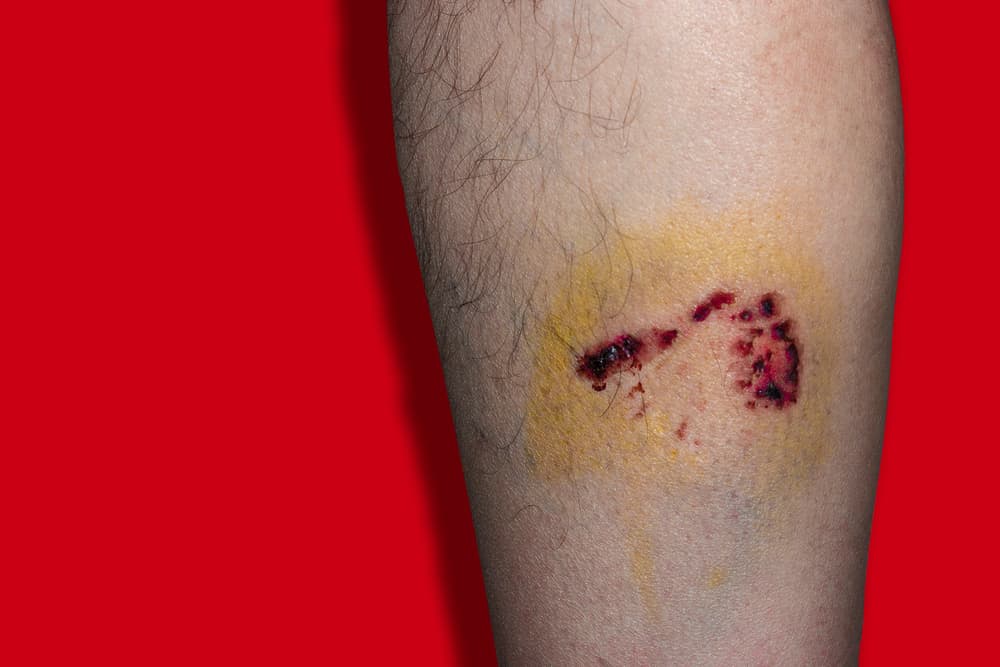
The first method for protecting yourself from infections caused by dog bites is taking every precaution to avoid aggressive dogs in the first place. Caution can only go so far, however, as dogs can still bite the most careful people. If a dog’s already bitten you, it’s time to take precautionary measures that are focused on preventing infections. The Mayo Clinic advises anyone who’s suffered a dog bite that does no damage beyond breaking the skin to carefully wash the bite with soap and warm water, apply an antibiotic treatment, and cover the wound with a clean bandage. At this point, It’s important to watch the wound for any signs of worsening or infection.Prompt Medical Attention
The Mayo Clinic further reports that if any of the following apply to your dog bite wound, you should not wait to seek medical attention:- You’re not sure how serious the bite is.
- The dog bite wound leaves a deep puncture.
- Your skin is torn badly or is bleeding a significant amount. If it is bleeding, take immediate action by using a clean cloth or bandage to apply the pressure necessary to stop or curb the bleeding prior to obtaining medical care.
- You realize that the swelling, pain, oozing, or redness in the affected area is increasing. Each of these is a clear warning sign of infection.
- You have no way of knowing whether or not the dog is vaccinated for rabies.
Tetanus Shot
Another matter you should concern yourself with after a dog bite is how recent your last tetanus booster was. If it’s been about 10 years since your booster or the dog bite wound is either dirty or deep, it may be time for a booster, which you should discuss with a medical professional.Bite Prevention 101: How to Reduce Your Risk of Infection from Dog Attacks
When it comes to dog bites, an ounce of prevention really is worth a pound of cure, and there are some important steps you can take to protect yourself and your children.The Statistics
The American Veterinary Medical Association (AVMA) reports that dog bites pose a very real health threat to our communities. Consider the following statistics shared:- Every year in this country, more than 4.5 million people are bitten by dogs.
- Of these, more than 800,000 people require medical attention.
- At least half of all those bitten by dogs are children, and children are far more likely to be seriously injured.
- About 1 in 5 of those who suffer dog bites require medical intervention.
Bite Prevention Tips
There are a range of basic tips that can help you protect yourself and your children from serious dog bite injuries.Know Why Dogs Bite
Many people mistakenly believe that a dog who is friendly when they first meet will always be friendly, but this simply isn’t the case. Any of the following can make a dog more likely to bite:- The dog is feeling stressed by the situation.
- The dog is defending its territory or itself.
- The dog’s been startled, is scared, or feels threatened.
- The dog is attempting to protect something important to them, such as their puppies, a toy, a bone, or their food.
- The dog isn’t feeling well because it is injured, sick, or sore and wants to be left alone.
Educate Yourself and Your Children
Some safety pointers related to being around dogs that you and your children should know and follow include:- Always treat dogs with respect and never force yourself on them.
- Never run up to a dog – even if it’s leashed and with its owner. Instead, always approach dogs in a calm, controlled manner.
- If you want to pet a dog that isn’t your own, you need permission from its owner, and it should be leashed at the time you pet it.
- Never approach a dog that you don’t know, and if you come across one that is not well supervised, consider leaving the area and alerting animal control.
- If you’re confronted by an aggressive dog, backing away slowly and in a controlled manner – without making eye contact – is the way to go.
- Never tease a dog.
- Leave sleeping dogs and dogs that are eating alone.
- Recognize the signs of a dog’s aggression, including baring their teeth, wrinkling their muzzle, growling, tensing their lips and facial muscles, freezing up and holding their breath, holding a hard and direct stare, or holding their tail up and in place.
Don’t Let a Bite Turn into a Nightmare: Tips for Minimizing the Health Risks of Dog Bites
When it comes to protecting yourself from dog bites and minimizing the associated health risks, all the following are essential:- Know the warning signs of aggression and take them seriously.
- Proceed with caution whenever you’re around a dog you don’t know or don’t know well.
- Remember that any dog can become aggressive in the right situation and avoid these situations.
- If you recognize a dangerous situation involving a dog, do what you can to avoid it and alert animal control.
- Always employ hypervigilance whenever your children are near dogs that they’re not familiar with.