The Truth about Dobermans: Separating Fact from Fiction on Their Dangerous Reputation
Dobermans have a regal appearance, and they hold their powerful physiques at attention. The Doberman pinscher is an impressive bread that gives the impression of being aggressive and, therefore, dangerous, but the facts may surprise you.
Ultimately, aggression in dogs tends to be a matter of circumstances that include how they are raised and how they are treated by their owners. Virtually any
dog can become aggressive and can cause considerable damage if it attacks.
If you or someone you care about has been injured by a Doberman pinscher, don’t wait to consult with an experienced
New Jersey dog bite lawyer.
Demystifying Dobermans: The Truth Behind Their Dangerous Reputation
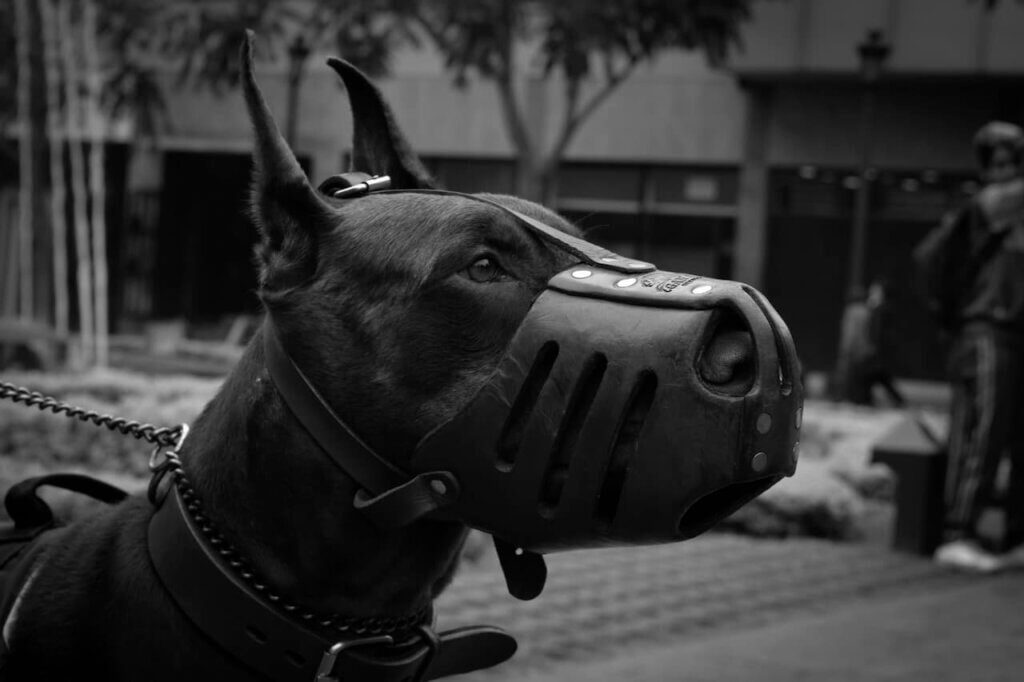 The truth is that Dobermans are not the blood-thirsty hounds they’re often portrayed to be. Dobermans can be domesticated and are an intelligent breed of dog that many families – even those with small children – enjoy having as pets. Further, Dobermans are quite social, and this trait is enhanced when they are raised with the consistent interaction necessary to bolster this trait.
Yes, Dobermans have something of a bad reputation, but statistics show that they’re far less likely to attack people and other animals than some of the other breeds that are identified as aggressive. Consider the following:
The truth is that Dobermans are not the blood-thirsty hounds they’re often portrayed to be. Dobermans can be domesticated and are an intelligent breed of dog that many families – even those with small children – enjoy having as pets. Further, Dobermans are quite social, and this trait is enhanced when they are raised with the consistent interaction necessary to bolster this trait.
Yes, Dobermans have something of a bad reputation, but statistics show that they’re far less likely to attack people and other animals than some of the other breeds that are identified as aggressive. Consider the following:
- According to DogsBite.org, the most consistently dangerous dog breeds are pit bulls and rottweilers, and Dobermans don’t even earn a mention on their roster.
- Since 2005, pit bulls have engaged in seven times the number of fatal attacks that rottweilers have.
- From 1982 to 2013, Dobermans were responsible for 18 attacks that caused bodily harm and for 7 deaths, which puts the breed at the bottom of PetHelpful’s list of 10 most dangerous dogs.
- In that same time period, the chow chow, which ranks 9th on the list, was responsible for 58 injury-causing attacks and for 8 deaths.
The Real Scoop on Dobermans: Separating Fact from Fiction
Dobermans are a medium-sized breed that is well known for its speed, agility, and strength. Dobermans also have a good deal of energy, which means they aren’t great candidates for living in small, confined spaces. The intelligence of this breed leaves them highly trainable and well-suited to the position of a guard dog. Just like any other breed, Dobermans can make excellent companions, but the opposite is also true – any breed can attack – and a lot rides on how careful and consistent their owners are in relation to all the following:
- Training
- Socializing
- Engaging in firm but humane discipline that never includes hitting
Helping pets to control their aggression rather than inspiring them to unleash it savagely is also an important element of responsible dog ownership.
Positive Traits
Dogsplanet.com rates Dobermans on a range of common characteristics, and the traits that they are most closely associated with may surprise you. Consider the following:
- When it comes to their level of affection, Dobermans rate a 5 out of 5, and they rate the same in relation to how easy they are to train.
- When it comes to how friendly they are with children, Dobermans rate a 5 out of 5.
- Dobermans also take top scores when it comes to how protective they are.
- Dobermans are exceptionally playful and need a good deal of exercise – rating 5 out of 5 on both.
- Dobermans rate a solid 4 out of 5 in relation to how well they tolerate hot climates.
- Dobermans hold steady with a rating of 3 out of 4 when it comes to being a good starter dog – or a good first dog, to tolerating solitude, and to being friendly with other animals.
- Dobermans also rate a 3 out of 5 in terms of their energy level.
- Dobermans are not inclined to drool and have a very low hunting instinct – rating a 1 out of 5 on both – and they score only a 2 out of 5 when it comes to their tendency to bark.
Traits that Can Be More Concerning
Lower scores that it’s important to keep in mind in relation to the Doberman breed include all the following:
- Dobermans are not well suited to apartment life – rating a 2 out of 5.
- Dobermans score only a 1 out of 5 when it comes to tolerating cold temperatures.
- Dobermans rate a 3 out of when it comes to their tendency to nibble.
- Dobermans score a 3 out of 5 when it comes to their level of intensity, which can be associated with aggression.
Dobermans that get the exercise and outdoor activity they need and crave – as well as the necessary training, care, and love – tend to be excellent pets.
Dobermans Unveiled: Dispelling the Myths Surrounding Their Aggressive Image
 Dobermans strike an aggressive pose and have a commanding presence, but under the right circumstances, they tend to be loyal, affectionate pets who make great additions to the families who love them. Dobermans are so strong and powerful that they require consistent training from a patient owner who remains constant in their guidance.
Dobermans are far less likely to become aggressive when they have owners who don’t allow them to become dominant and who remain in constant control. Dobermans are fiercely protective of and dedicated to the families they belong to, which makes proper training that much more important.
Doberman owners who acclimate their dogs to strangers from an early age are far more likely to avoid instances of unforeseen aggression. It’s important to note, however, that a Doberman’s strength, speed, and vigilance make taking every precaution around children and strangers paramount. Always keeping a Doberman on a short leash when out in public is an important rule to follow, and a pet owner who doesn’t have the size or strength to control a Doberman on a leash should seriously consider another breed.
Dobermans strike an aggressive pose and have a commanding presence, but under the right circumstances, they tend to be loyal, affectionate pets who make great additions to the families who love them. Dobermans are so strong and powerful that they require consistent training from a patient owner who remains constant in their guidance.
Dobermans are far less likely to become aggressive when they have owners who don’t allow them to become dominant and who remain in constant control. Dobermans are fiercely protective of and dedicated to the families they belong to, which makes proper training that much more important.
Doberman owners who acclimate their dogs to strangers from an early age are far more likely to avoid instances of unforeseen aggression. It’s important to note, however, that a Doberman’s strength, speed, and vigilance make taking every precaution around children and strangers paramount. Always keeping a Doberman on a short leash when out in public is an important rule to follow, and a pet owner who doesn’t have the size or strength to control a Doberman on a leash should seriously consider another breed.
Understanding Dobermans: Debunking the Misconceptions and Revealing the Truth
Underneath their steely exterior, Dobermans that are well-trained and well-loved tend to be affectionate pets that are devoted to the families who take them in. Dobermans, according to dogsplanet.com, have an interesting history.
The Breed
Dobermans are thought to be a cross between a rottweiler and a German pinscher, which is why they are often called Doberman pinschers. Dobermans emerged on the dog scene in the late 1860s.
The Name
It’s said that Frédéric Louis Dobermann – who was a tax collector carrying large amounts of cash on his beat – chose a courageous and aggressive guard dog to accompany him on his work outings in or around 1870. Dobermann also happened to manage the dog pound, which afforded him access to many breeds. The animal he ultimately bred for protection and companionship was dubbed the Doberman, which amounts to the birth of the breed. The first Dobermans were stockier than the elegant pets we’re more familiar with today – they were also considerably smaller, with large heads on short necks.
Life with a Doberman
Dobermans are powerful dogs with a lot of energy behind them, which makes providing them with regular exercise critical. Dobermans that don’t get the amount and level of exercise they need are more likely to react aggressively. Obedience training and socialization are critical elements from very early on and are essential components of raising Dobermans that are safe, reliable pets who are less likely to react dangerously out of aggression or fear.
The fact that this breed responds very well to positive reinforcement only sweetens the deal. Finally, Dobermans don’t require special guard training in order to serve as reliable protectors of their families and homes. In fact, trainers tend to advise against such training, which can support aggression and hypervigilance in a Doberman.
If a Doberman Bites You
 If a Doberman does attack and bite you, there are several very important steps you should take to help protect your health and your dog bite claim. These include:
- Wash the bite – if feasible – and seek immediate medical attention. Keep in mind that dog bites are very susceptible to infections and serious scarring, which means you shouldn’t take any chances.
- Follow your doctor’s orders and instructions carefully.
- Reach out to a seasoned dog bite lawyer for the skilled legal counsel you need.
- Refrain from talking about the bite or from posting about it on social media.
With these simple steps, you can help to ensure that you get the prompt care you require and that you protect your claim from the involved insurance company’s attempts to twist your words, statements, or posts to its own design.
New Jersey Is Not a One-Bite State
Many states are dubbed one-bite states because pet owners are afforded the benefit of the doubt when it comes to a dog’s first known act of aggression. In New Jersey, dog owners are called upon to protect others from their pets at all times – even if the animal has given no indication that it has aggressive tendencies.
Turn to an Experienced New Jersey Dog Bite Lawyer for the Help You Need Today
David J. Cowhey is a trusted dog bite attorney who brings his ample experience and legal skill to The New Jersey Dog Bite Lawyer, and he’s standing by to help you. Your claim is important, so please reach out to us through our online form or call us at (866) 259-4377 today.