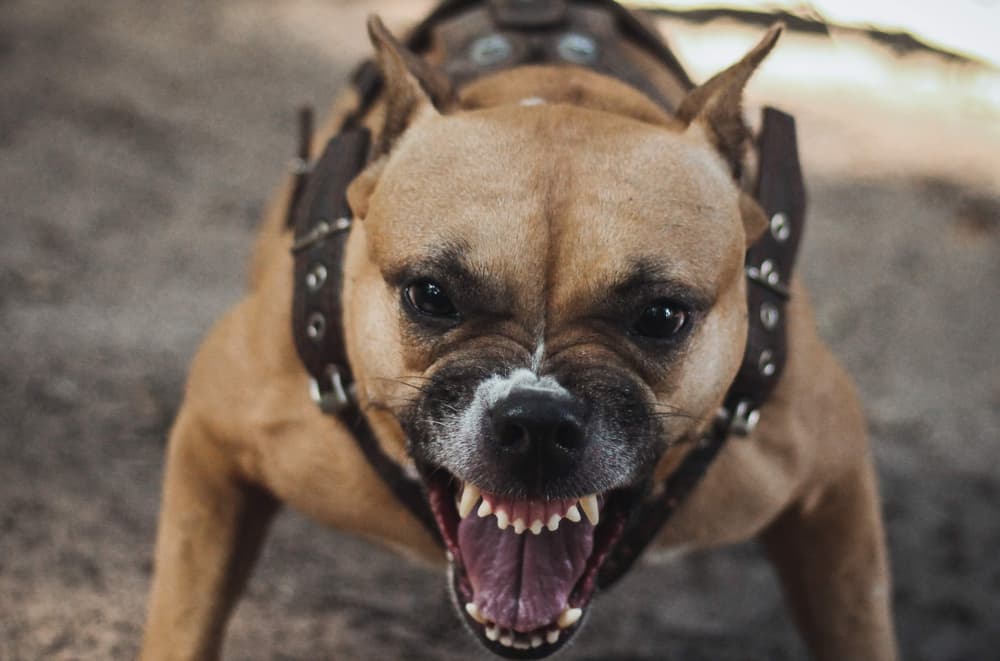
While your own dog is obviously your best friend, dogs owned by others can be far less lovable. In fact, some dog breeds have a history of aggression, and when their owners don’t employ the necessary care to ensure their pets don’t harm others, it can lead to dangerous attacks. If you or someone you love has been injured by a dog bite or attack, reach out for the professional legal guidance of an experienced
New Jersey dog bite liability lawyer.
Common Dog Breeds with a History of Aggression in New Jersey
The State of New Jersey has no laws on the books that are breed-specific, but some municipalities do. According to
DogsBite.org, pit bull terriers and rottweilers are the two most aggressive – and most dangerous – breeds.
The Statistics
Consider the following sobering statistics:
- Over a recent 15-year span, 521 people in this country were killed by dogs.
- More than 75 percent of these entirely preventable deaths involved pit bulls and rottweilers.
- The number of dog-related deaths has more than doubled in recent decades, and the percentage that pit bulls and rottweilers are responsible for has increased.
- Since 2005, pit bulls and bully mixes have fatally attacked people at a rate that is seven times higher than rottweilers, and unlike most other breeds, they frequently attack without warning.
Other breeds that are often labeled as aggressive include:
- Akitas
- Cane Corsos
- Chihuahuas
- Chow Chows
- Doberman Pinschers
- German Shepherds
- Siberian Huskies
Any type of dog can be unpredictable and attack. On the other hand, there are plenty of dogs considered aggressive breeds that never attack anyone. The key is that owners and visitors should always use particular caution when they have dogs that are breeds generally more prone to aggression. Proper training and precautions are necessary to avoid dog bite injuries and liability.
Understanding the Risks and Consequences of Owning an Aggressive Dog Breed
The
ASPCA reports that aggression is one of the most common and the most serious dog behavior concerns that owners face. Aggression refers to a range of behaviors that can be aroused in dogs for a range of reasons. Consider the scenarios that generally incite aggression in all wild animals, including:
- When guarding their territory
- When defending their offspring
- When protecting themselves
Those species, like dogs and people, who live in groups implement aggression to help negotiate social interactions and maintain order.
Knowing the Warning Signs
When it comes to dogs, aggression can take a range of forms that generally start with identifiable warning signs and can end in an attack. A dog’s warning system tends to begin with a still, rigid stance and to proceed through a loose series of steps that can include:
- Adopting a guttural, threatening bark
- Lunging at or charging the victim without making contact
- Mouthing the victim – in an effort to move or control them – without clamping down
- Muzzle-punching the victim
- Growling outright
- Baring their teeth
- Snarling, which involves both growling and teeth baring
- Snapping
- Nipping
Once a dog gives a warning sign, aggression can intensify very rapidly. Dogs can stop the aggressive cycle at any stage, but they can also combine and skip steps – heading directly to attack in highly charged situations. Knowing your pet’s warning signs and responding to them immediately is critical. Pit Bulls are one of the few breeds that may not give any warning before charging, which makes employing hypervigilance with these animals paramount.
Considering the Circumstances
If your dog has shown signs of aggression in the past or you’re afraid it might happen in the future, it’s important to analyze the situations that seem to get under your pet’s skin. Ask yourself all the following questions:
- Who was your pet’s aggression focused on?
- When and where did you notice an issue?
- Was there any variable that intensified the problem?
- What preceded the incident?
- What calmed your dog down?
When you have a feel for what triggers your dog’s aggression, you’ll be far better prepared to effectively address the issue.
Characterizing Your Dog’s Aggression
A dog’s aggression can be ignited by any number of factors, but most fall into one of several categories.
Aggression that Is Based on Territorialism
Many dogs are territorial, and they’ll attack a perceived intruder – regardless of who it is. Territorial aggression is common in male and female dogs. This territorialism can extend to the outer boundaries of the property or to the threshold of the owner’s home, and understanding your dog’s territorial instincts can help you better protect your guests.
Aggression that Is Based on Protection
Aggression in dogs is often inspired by their desire to protect their owners and those they’ve bonded with. A dog with a litter of puppies may exhibit aggression that you’ve never witnessed before, but both male and female dogs can engage in protective aggression.
Aggression that Is Based on Possession
Some dogs show aggression in relation to what’s theirs, such as their bed, their chew toys, their bones, or anything else. The target doesn’t have to be an actual threat to the dog’s possessions for the dog to react aggressively.
Aggression that Is Based on Fear
Fear can drive people to act aggressively, and it can do the same for dogs. When a dog is cornered or trapped – or feels cornered or trapped – it can react with aggression. While fearful dogs often retreat or adopt timid postures, they are more inclined to attack if they feel hemmed in – or as if they can’t get away. Sometimes, a fearful dog will run away from someone it fears but will circle back to nip at them from behind once the person retreats. It’s important to note that if your dog takes a fearful posture, it could be a warning sign of aggression.
Additional Causes of Aggression
Some additional causes of aggression in dogs include the following:
- Aggression that is based on the dog’s perceived hierarchical order
- Aggression that is based on the dog defending itself
- Aggression that is elicited by the dog’s frustration
- Aggression that is redirected at the person who is trying to thwart the dog’s aggression in the first place
- Aggression that is elicited by pain
The Importance of Proper Training and Socialization for Aggressive Dog Breeds in New Jersey
The bottom line is that you can’t allow your dog to harm other people, and in order to do this, you have to ensure that it is properly trained and socialized for your lifestyle. A big part of this is understanding what makes your dog tick and implementing all necessary caution to ensure you don’t put them in situations that may arouse aggression – in addition to being well prepared to nip signs of aggression in the bud if they do arise. If you sense that there’s a risk of your dog becoming aggressive, it’s a good time to safely leash or otherwise contain them.
Know the Risk Factors
Because you are ultimately responsible for your dog’s actions, it’s important to carefully consider the risk factors you need to assess regarding how best to manage your pet’s aggressive tendencies, including:
- The larger your dog, the more frightening it is and the more physical damage it can inflict.
- When an older dog has a problem with aggression, it’s considered more difficult to treat, which is where the adage you can’t teach an old dog new tricks comes from.
- If your dog has attacked and bitten someone in the past, the risk is far greater that it will do so again in the future.
- The more serious your dog’s aggression has been in the past, the more carefully you should consider your options.
- Dogs who attack without warning are far more likely to pose a serious threat. Further, dogs whose aggression is unpredictable are far more difficult to handle.
- The degree to which you can avoid your dog’s triggers will directly affect the degree to which you can handle its aggression.
Finally, the extent to which your dog is exposed to targets of its aggression will play a primary role in the actions you’ll need to take. For example, if your dog is triggered by strangers, it’s unlikely to be a problem if you live out in the country and keep your pup securely fenced in. If, however, your dog is spooked by children and you run a daycare, you’ve got a much bigger problem. Some forms of dog aggression can be safely addressed by implementing careful strategies that ensure your pet won’t have the opportunity to attack. Others, unfortunately, cannot.
An Experienced New Jersey Dog Bite Liability Lawyer Can Help
If someone else’s aggressive dog leaves you injured, David J. Cowhey at The New Jersey Dog Bite Lawyer is a formidable dog bite liability lawyer who appreciates how difficult your situation is and is poised to fiercely advocate for your claim’s most favorable resolution – in support of your most complete recovery. For more information, please
reach out to us through our online form or
call us at (866) 259-4377 today.